



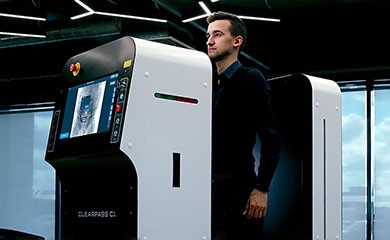
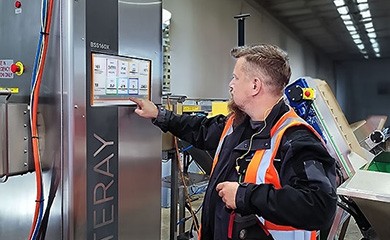
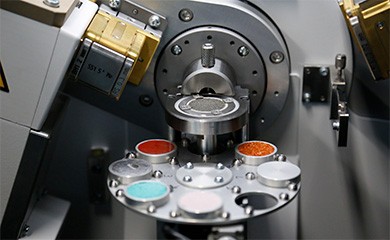
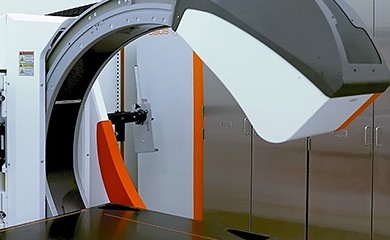






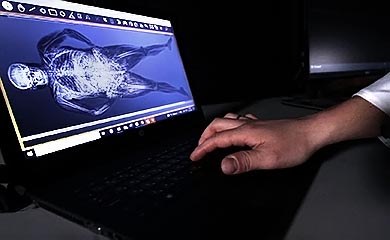
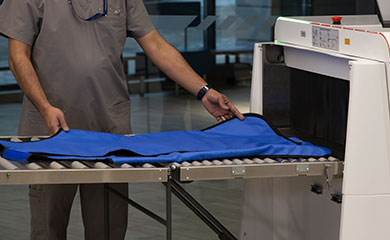


X-ray body scanner machines for security are advanced imaging devices that detect concealed objects or threats on or in a person’s body. These scanners use low-dose X-ray technology to create detailed images of the individual’s body, highlighting any items hidden under clothing or within body cavities. They are commonly used in prisons, jails, airports, and other high-security areas to enhance security measures and identify potential security risks.
Advanced Body Scanner Machines for Security with AI
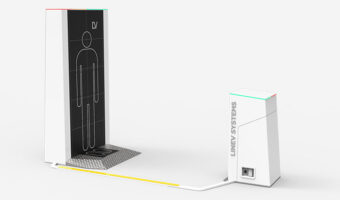

AI-assisted X-ray body screening system with sub-second scan time, ultra-low dose, and localized visual evidence
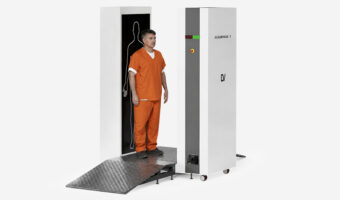
Compact, movable X-ray body screening engineered for the smallest practical footprint in correctional security. AI-assisted visual evidence, and fast operator-confirmed decisions
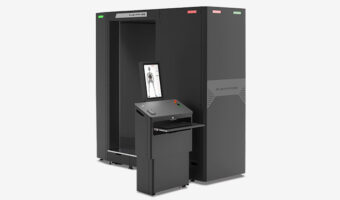

General-use full-body screening technology with extremely low x-ray dose rates to screen a person and which can be used for any applications
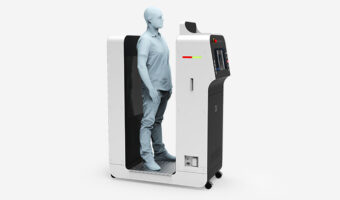

A portable addition to stationary systems, requiring minimal space and ready for immediate use, facilitating fast and on-demand prisoner screening
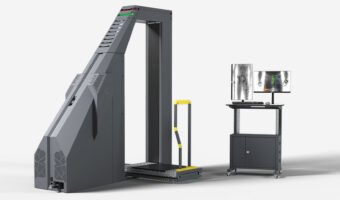
Dual-view screening technology (full-body and torso images) at two x-ray doses is best suited for detecting drugs and contraband, as it allows screening of staff, prisoners, and visitors where required

Partial screening technology delivers high-resolution torso images, providing an effective solution for detecting drugs and contraband inside individuals' bodies, whether in a prison setting or other non-prison environments.
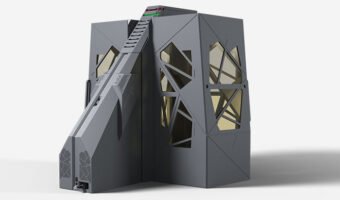

The X-ray shielding cabin is a high-protective option for full body scanner designed for maximum X-ray safety
What Technologies Make LINEV Body Scanners Different?
Technologies & Unique Features. LINEV Systems combines advanced X-ray engineering with intelligent software to deliver high-precision body scanners for security applications, offering some of the most powerful detection capabilities on the market.
TRUE Dual-View X-ray Technology. Two independent X-ray sources and detector arrays provide complementary imaging angles, significantly improving detection of low-density contraband often missed by standard body scanning machines.
AI-Driven Detection Algorithms. Our proprietary A-EYE® and DruGuard® AI engines identify abnormalities, narcotics, weapons, electronics, and concealed items inside the body. The AI works alongside operators, helping them make faster, more accurate decisions across all body scanner machines and full body security scanner configurations.
High-Resolution, Fast Throughput Imaging. Scans take as little as 3–5 seconds, enabling efficient operation at high-traffic checkpoints such as borders, correctional intake areas, and transportation hubs. This makes LINEV an ideal choice when selecting a body scanner for security with both speed and clarity.
Low Dose Radiation Safety Compliance. All LINEV systems meet ANSI and international exposure standards, offering safe operation even with repeated scans, a key requirement for any full body scanner machine.
Networked & Modular Integration. With options like CONPASS DMS and centralized data management, facilities can synchronize reports, radiation logs, and operator workflows across multiple body scanner security systems.
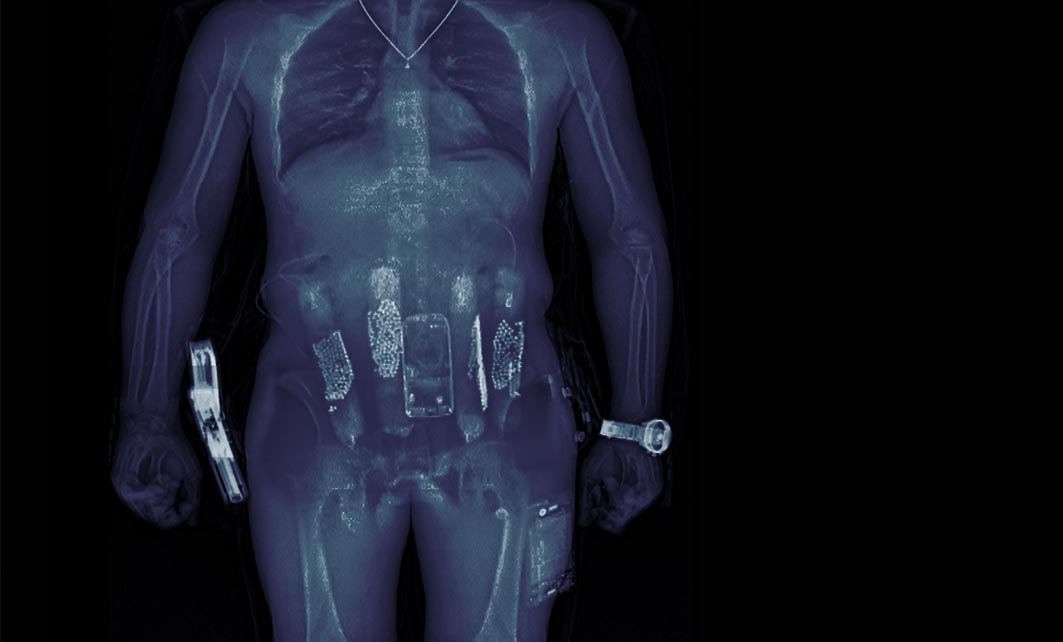
Enhanced threat detection: Body security scanners can detect concealed objects or threats that may not be easily identifiable through traditional security measures, such as metal detectors. This helps prevent smuggling weapons, explosives, drugs, and other prohibited items.
Non-intrusive screening: X-ray body scanner machines provide a non-invasive screening method that allows security personnel to identify potential threats without physical contact. This ensures privacy and reduces the need for invasive pat-downs or searches.
Quick and efficient screening: X-ray body security scanners provide rapid screening, allowing a high throughput of individuals in crowded areas such as airports. This helps to minimise queues and waiting times, improving overall security and operational efficiency.
Detailed imaging: These scanner machines produce detailed X-ray images that provide clear visibility of concealed objects, aiding security personnel in making accurate assessments and decisions.
Versatile application: X-ray body security scanners can be used for stationary and portable screening, making them adaptable to various security settings such as airports, border crossings, correctional facilities, and high-security events.
Deterrence and psychological impact: The presence of body scanner machines is a deterrent to potential threats, as individuals are aware of the advanced screening capabilities. This psychological impact can help in deterring individuals from attempting to bring prohibited items or weapons into secure areas.
Ensure the X-ray body scanner machine complies with relevant national and international regulations, standards, and guidelines for radiation safety, privacy, and data protection. Check if it meets the requirements set by the local authorities.
Evaluate the imaging technology used by the body scanner machine. Look for body security scanners that provide clear and detailed images for effective threat detection. Consider the resolution, image quality, and ability to detect metallic and non-metallic objects.
Assess the radiation dose the scanner delivers to individuals being screened. Ensure that the X-ray body scanner machine operates within permissible radiation exposure limits and has appropriate safety mechanisms to minimize the health risks associated with X-ray exposure.
Consider the body scanner machine’s scanning speed and throughput capacity. Look for models that offer efficient screening processes and can handle high volumes of individuals without causing delays or congestion.
Check if the X-ray body scanner machine is user-friendly and intuitive for operators to use. Look for scanners that provide comprehensive training programs and support to ensure efficient and effective operation.
Evaluate the body security scanner machine’s data privacy and storage capabilities. Ensure that it has robust security measures to protect the scanned images and comply with privacy regulations.
Consider the build quality of the body scanner machine and its ability to withstand frequent use and environmental conditions. Assess the availability of maintenance and technical support services to ensure the longevity and reliability of the security scanner machine.
X-ray full-body and partial-body security scanners are used in environments where conventional screening methods may not provide sufficient visibility of concealed objects. They enable non-contact inspection and can be integrated into security procedures for controlled-access and high-risk facilities.
Prisons and correctional facilities: screening of inmates and other individuals for concealed weapons, narcotics, mobile phones, and other prohibited items. The technology can be used during admission, following visits, and when individuals move between controlled areas.
Border and customs control: full-body X-ray scanners can complement conventional inspection procedures when there is a need to identify concealed items that may not be detected through visual inspection or physical searches.
Government and high-security facilities: controlled screening of employees, contractors, visitors, and other personnel entering restricted areas. The systems can form part of a multi-level security process designed to prevent prohibited items from entering protected facilities.
Critical infrastructure: security body scanners provide an additional layer of screening at access points to sensitive or restricted areas, helping control entry without relying exclusively on physical searches.
High-security events and restricted venues: large numbers of people can be screened as part of multi-stage security procedures. Non-contact inspection helps identify concealed threats while maintaining an efficient flow of visitors and personnel.
Forensic and specialized security applications: X-ray body scanning systems can be used in situations where conventional inspection methods are insufficient and concealed objects require detailed imaging for detection or further examination.
The choice between full-body and partial-body screening depends on the security objective, the type and location of potential threats, and the requirements of the inspection process. Deployment must also take into account applicable radiation safety standards, privacy requirements, and local regulations.
The fastest way to hear back from us is to fill the contact form below. Our appropriate department will get back to you depending on your inquiry as soon as possible.
Get body X-ray security systems with AI
Body scanner machines are designed to operate within established safety guidelines and exposure limits to ensure the safety of individuals being screened. When used as intended and operated by safety guidelines, whole body security machines are considered safe for people.
X-ray body scanner machines for security can provide detailed images that allow security personnel to see various objects and materials on or in a person’s body. Some of the things that can be seen on X-ray body scanners include:
- Metallic objects: Body scanner machines can easily detect metallic objects such as knives, guns, firearms, blades, and other weapons that may be concealed on a person’s body.
- Non-metallic objects: X-ray full-body security scanners are also capable of detecting non-metallic objects, including plastic weapons, explosive devices, drugs, or other prohibited substances.
- Clothing and fabrics: The body scanner machine can reveal the outline and composition of clothing, including any anomalies or unusual shapes that may indicate hidden items or suspicious objects.
- Contraband or smuggled items: X-ray body scanners for security effectively identify contraband items such as drugs, currency, or other illicit materials that may be hidden on or in a person’s body.
- Foreign objects in body cavities: X-ray body scanner machines detect foreign objects or substances that may be concealed within body cavities, such as smuggling attempts involving ingested or inserted items.
- Implants or medical devices: X-ray body security scanners may also identify medical implants or devices, such as pacemakers, artificial joints, or other metal-based medical prosthetics.
It is important to note that X-ray body scanner machines for security are designed to respect privacy and focus on identifying potential threats or prohibited items. The images produced by the scanners are typically viewed by trained security personnel who are trained to interpret the images appropriately and respect individual privacy.
While X-ray body scanner machines low-dose inspection systems are generally considered safe for individuals with defibrillators and other electronic devices on their bodies, it’s advisable to consult both the manufacturer of your specific device and your clinician for personalized guidance.
Carbon is a radiolucent material, so all contraband will show up on X-ray body scanning machines.
It is almost impossible to mask the contraband inside the body.
Yes, LINEV Systems DruGuard is the only patented and commercially available narcotics detection feature for whole body scanners on the market. DruGuard provides a colour coded marking on the scan and a % probability of detection window. At the same time DruGuard does not fully replace the operator.
CONPASS is the state-of-the-art X-ray scanning machine designed to cater to the needs of prisons and detection centers. It boasts exceptional durability in every aspect.
Everything is regulated by US ANSI standard.
The price of a X-ray body screening system is determined by various factors, including the brand and model of the system, its features and capabilities, the quality and resolution of the images produced, the level of radiation safety measures incorporated, the size and design of the system, additional accessories and software, maintenance and service agreements, and other relevant factors specific to the manufacturer and market conditions.