


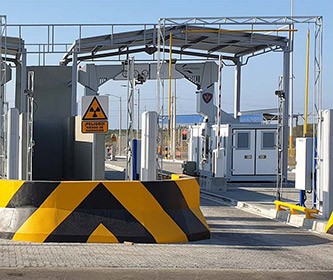




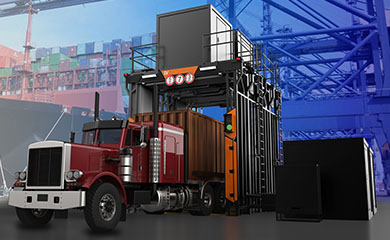
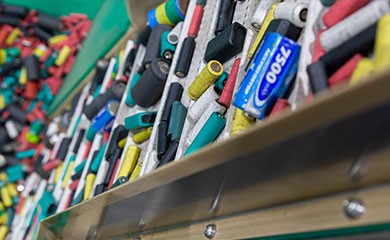
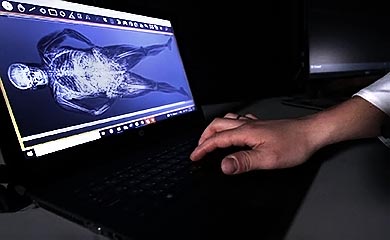
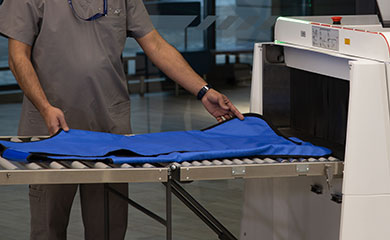

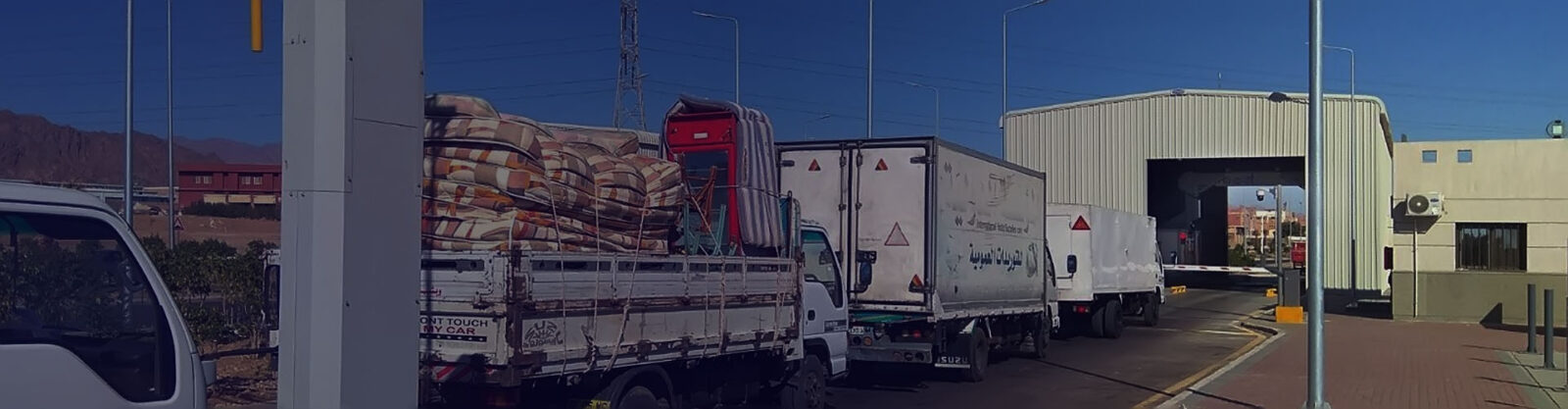
The Drive-Through Portal (DTP) Series is the ideal security portal solution for accurate, non-intrusive drive-through cargo and vehicles, buses, minivans and cars inspection.
The DTP Series is engineered in single or dual-view versions, can be equipped with dual-energy Imaging technology to enhance inspection and material discrimination capabilities.
With limited infrastructure, DTP systems provides state-of-the-art technology for fast inspection of conventional containers and cargo mounted on trucks, as well as passenger cars and minivans.
Utilizing the DTP systems, contraband, dangerous materials and other threats including narcotics, explosives and weapons are quickly and accurately detected.
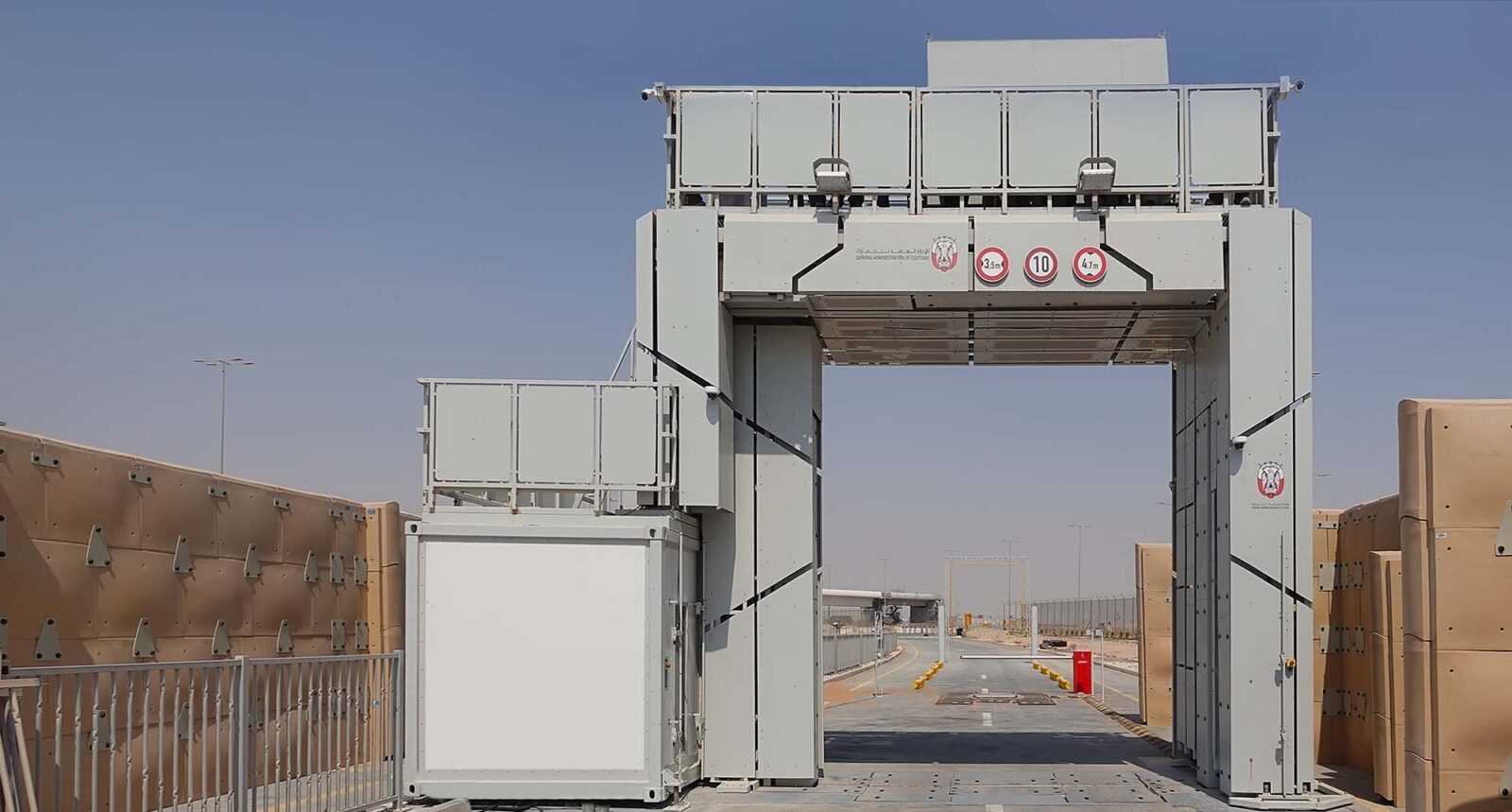
Experience Our Vehicle Inspection Systems Lineup
Multi-Energy X-ray Array Portal
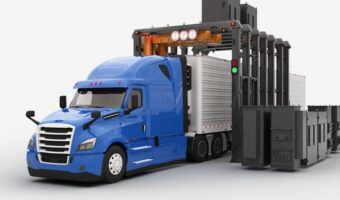


Multi Energy X-ray Portal | AI-powered cargo and vehicle screening system with Multi-Energy Array technology built for high-throughput, precision, and future-ready security
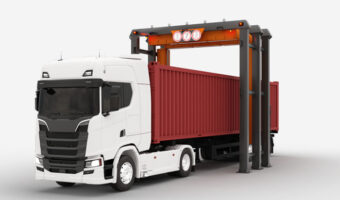
AI-powered 3D cargo and vehicle inspection system with Multi-Energy Array technology and spectral tomography
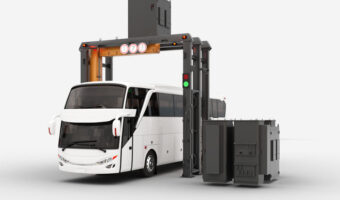
Dual-view screening solution for threat and contraband detection in buses in drive-through mode at speeds up to 15km/h
Trucks and Containers Inspection
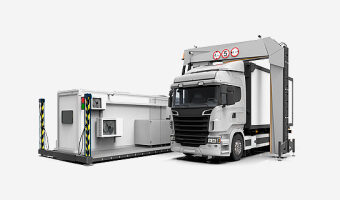
A combination of cost effective DTP 7500LV solution and unique hydraulic relocation set making it possible to deploy high-throughput cargo and vehicle screening checkpoint within just 1 hour
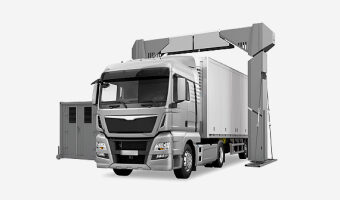
The lowest dose to vehicle drivers than competing systems; high-throughput cargo and vehicle screening with steel penetration of not less 320 mm for threat and contraband detection; small exclusion zone and operation footprint; easy-to-use operator controls and image analysis software
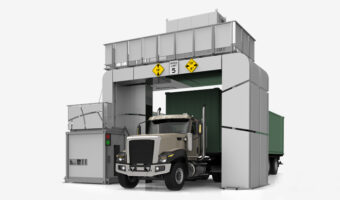
The system’s unique multiple projection and energy technology makes it possible to provide safe inspection of multi size vehicles like passenger vehicles, vans, buses and loaded trucks at the same time.
Light Vehicles & Buses Inspection
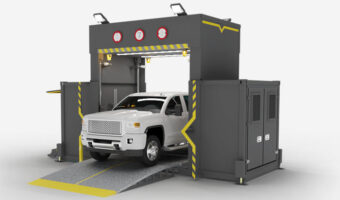
High-throughput occupied passenger vehicle screening for threat and contraband detection; drive-through/dual energy x-ray imaging at vehicle speeds of up to 20 km/h
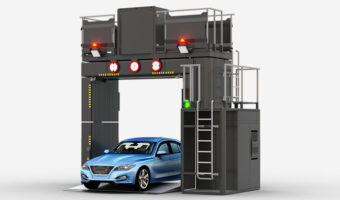
High-performance passenger vehicle inspection solution capable of screening vehicles in drive-through mode at speeds up to 15km/h
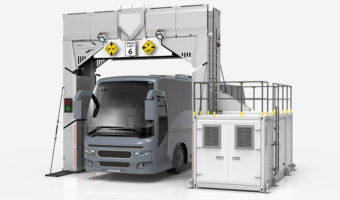
Dual-view screening solution for threat and contraband detection in buses in drive-through mode at speeds up to 15km/h
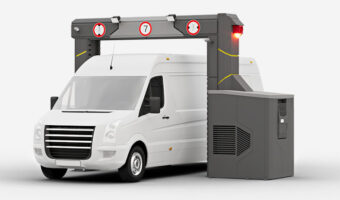
High-throughput inspection solution that can be chosen for safe and rapid screening light vehicle and VANs at the land border crossings or roads with intensive traffic
Railway Inspection
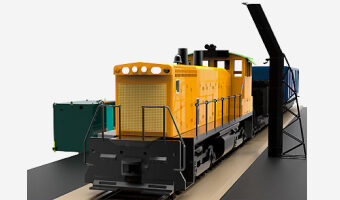

Inspection complex designed for non-intrusive X-ray screening of railway carriages
Threat levels in today’s modern world from smugglers, criminals and even terrorists, create ever evolving challenges when it comes to security screening without hindrance to the flow of the process.
Threat levels in today’s modern world from smugglers, criminals and even terrorists, create ever evolving challenges when it comes to security screening without hindrance to the flow of the process.
LINEV Systems portal systems are able to detect various types of hidden threats and prove to be an optimal solution for the inspection of trucks, passenger vehicles and cargo. DTP series is the perfect fit for all types of high security locations like border crossings, government buildings, embassies or military facilities. Excellent detection ability and image quality position LINEV Systems as one of the leaders on the market.
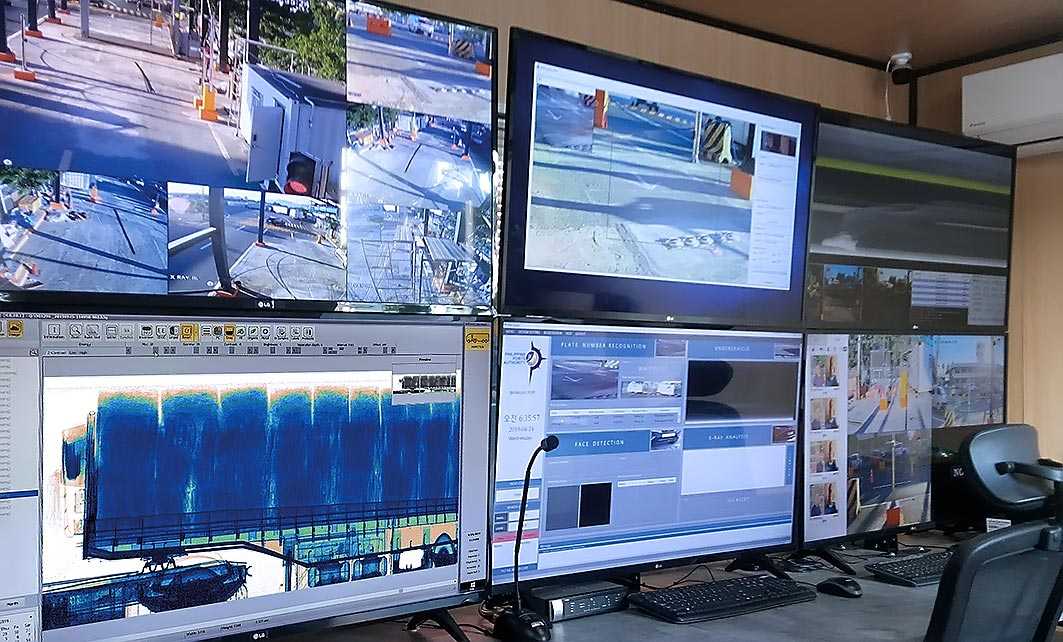
X-ray cargo and vehicle screening systems are specialized X-ray scanners designed to scan large objects, such as cargo containers or vehicles (trucks, cars, buses, vans and other), for security and regulatory purposes. These systems use X-ray technology to penetrate the surface of the object inspected and provide detailed images of its internal contents, structure, and composition.

Cargo and vehicle X-ray scanning machine are essential for detecting and preventing illegal activities, such as smuggling, terrorism, or trafficking of illegal goods or people. These systems can scan large objects, such as shipping containers or vehicles, and detect hidden contraband, weapons, or explosives.

Besides security and safety, X-ray cargo and vehicle (trucks, cars, buses, vans and other) scanners can improve operational efficiency. They can scan large objects quickly and accurately, reducing the need for manual inspections and improving the speed and efficiency of inspections. It helps to reduce wait times and delays at transportation hubs, improving the overall efficiency of the transportation system.
When selecting cargo and vehicle X-ray scanning machines, there are several factors to consider, including:
Look for a system that can produce high-quality images of cargo and vehicles (trucks, cars, buses, vans and other), allowing for detailed inspection and detection of potential threats.
Consider the volume of cargo or vehicles that will need to be inspected and select a system that can process the required throughput within the necessary timeframe.
Depending on the specific needs of your industry or application, consider a vehicle and cargo (trucks, cars, buses, vans and other) X-ray scanner that can be customized with specific features or configurations to ensure optimal performance and compliance with industry standards.
Consider the safety of personnel operating the system and the safety of the surrounding environment, and select a X-ray cargo and vehicle scanner that incorporates appropriate safety features.
Ensure that the system meets relevant regulatory requirements and standards.
In addition to the initial purchase price, consider the ongoing costs of operation, maintenance, and support, including energy consumption, training, and availability of replacement parts.
Consider whether the X-ray cargo and vehicle (trucks, cars, buses, vans and other) screening system can be integrated with existing security or logistics systems to streamline operations and improve efficiency.
Modern cargo X-ray screening systems do far more than generate images for human review. In advanced platforms, artificial intelligence is embedded directly into the scanning pipeline — processing raw sensor data as the vehicle enters the portal, before a final image is rendered on the operator’s screen.
This shifts the operational model fundamentally. Rather than relying on operators to interpret raw projections manually, AI performs the primary analysis: classifying materials, identifying anomalies, and assigning risk scores in real time. Operators receive structured, prioritised alerts rather than unprocessed imagery to evaluate from scratch.
In LINEV Systems’ MEAP platform, this analysis occurs at the raw data level. Multi-energy and dual-view signals are fused before image reconstruction, giving the AI engine a richer dataset to work from — one that captures material characteristics and structural relationships that a single-angle, single-energy projection cannot resolve. Objects that appear visually similar in a conventional 2D image can be separated and classified based on how they interact with X-ray energy across multiple levels and angles.
In MEAP’s most advanced configuration, this extends further: the system reconstructs a three-dimensional representation of the cargo interior, analysing material composition volumetrically across the full load rather than reading a flat projection of it. This depth of analysis — identifying organics, metals, and threat materials within a spatial model of the cargo — is not achievable through image review alone, regardless of operator expertise.
The operational outcome is consistent across configurations: lower false alarm rates, faster clearance for low-risk cargo, and detection performance that remains stable across long operational shifts independent of operator fatigue. AI is not a supplementary feature — it is the mechanism that makes multi-energy, multi-angle data operationally actionable in real time.
The fastest way to hear back from us is to fill the contact form below. Our appropriate department will get back to you depending on your inquiry as soon as possible.
Get vehicle and cargo X-ray machines
En la imagen producida por un escáner de rayos X para paquetes y equipaje, se pueden ver una variedad de artículos y materiales, tales como:
- Objetos Metálicos: los escáneres de equipaje detectan eficazmente artículos metálicos como armas, cuchillos, armas de fuego o componentes metálicos de dispositivos explosivos.
- Materiales Orgánicos: los sistemas de inspección de equipaje con rayos X pueden distinguir materiales orgánicos, ayudando a identificar artículos como alimentos, drogas o sustancias orgánicas ocultas que pueden representar un riesgo de seguridad.
- Materiales Inorgánicos: sustancias no orgánicas como plásticos, cerámicas o materiales sintéticos son discernibles en las imágenes de rayos X, ayudando a identificar una amplia gama de artículos y sus componentes.
- Líquidos: los sistemas de inspección de bolsos con rayos X pueden detectar la presencia de líquidos, vital para fines de seguridad, como identificar contenedores con líquidos peligrosos o sustancias prohibidas.
- Objetos Densos: los metales densos o materiales empacados pesadamente aparecen como regiones más oscuras u opacas en las imágenes de rayos X.
- Artículos de Contrabando: los escáneres de rayos X pueden revelar la presencia de artículos prohibidos, incluyendo drogas, explosivos, armas o bienes de contrabando.
- Artículos Ocultos o Escondidos: los artículos intencionalmente ocultos dentro del equipaje o bolsos, como armas o sustancias ilícitas, pueden ser identificados por los escáneres de rayos X.
Varios factores, como las capacidades del sistema, tamaño, capacidad, tecnología, adherencia a regulaciones y gastos continuos de mantenimiento y soporte, determinan el costo de los sistemas de inspección de rayos X para equipaje. Además, la personalización o integración con sistemas de seguridad actuales puede resultar en costos adicionales para servicios de ingeniería, instalación e integración.
“`
El tamaño del túnel debe corresponder a las dimensiones y al peso del equipaje, los paquetes o la carga que se van a inspeccionar. Para equipaje de mano y paquetes pequeños pueden ser suficientes sistemas con túneles compactos, mientras que las maletas grandes, el equipaje voluminoso y determinadas cargas requieren un túnel de mayores dimensiones y un transportador con la capacidad de carga adecuada. La elección debe realizarse teniendo en cuenta tanto el tamaño máximo de los objetos como las condiciones de operación del punto de inspección.
Un sistema de vista única genera una imagen de rayos X desde una dirección, mientras que un sistema Dual View utiliza dos vistas para examinar el contenido del equipaje desde diferentes ángulos. La segunda vista proporciona información adicional sobre los objetos superpuestos y puede facilitar la interpretación de imágenes complejas. La elección entre ambas configuraciones depende del tipo de equipaje, el nivel de seguridad requerido y las condiciones de inspección.
Los sistemas de detección basados en inteligencia artificial analizan las imágenes de rayos X y pueden identificar automáticamente determinadas categorías de objetos potencialmente peligrosos. En los sistemas LINEV Systems con software A-EYE, los objetos detectados se resaltan en la pantalla y se muestran con su categoría correspondiente. El algoritmo puede identificar, entre otros, armas de fuego, munición, cuchillos, granadas, puños americanos y determinados dispositivos de vapeo, incluso cuando los objetos están parcialmente ocultos por otros elementos del equipaje.
No. La inteligencia artificial actúa como una herramienta de apoyo para el operador. Puede identificar y resaltar determinadas amenazas en la imagen, facilitando su localización y reduciendo el tiempo necesario para analizar el contenido del equipaje. La interpretación final de la imagen y las decisiones relacionadas con el procedimiento de inspección siguen dependiendo de la organización y de los protocolos de seguridad establecidos en cada instalación.
Los objetos superpuestos o un contenido especialmente denso pueden dificultar la interpretación de una imagen de rayos X. En estos casos, tecnologías como Dual View proporcionan imágenes desde diferentes ángulos, mientras que funciones de ampliación como Smart Zoom permiten examinar con mayor detalle las zonas de interés. La combinación de capacidades avanzadas de imagen, herramientas de asistencia basadas en inteligencia artificial y experiencia del operador facilita el análisis de equipajes con estructuras internas complejas.
Sí. Las soluciones de telemetría de LINEV Systems permiten supervisar de forma remota determinados parámetros y el estado operativo de los escáneres instalados. X-LINEView monitoriza más de 100 parámetros, identifica patrones de uso y puede notificar fallos en tiempo real. Estas funciones permiten realizar un seguimiento del funcionamiento del equipo y facilitan el mantenimiento preventivo sin necesidad de supervisar cada sistema directamente en el punto de inspección.
Los escáneres de rayos X para equipaje y bolsos se emplean en diversas industrias y entornos para varios propósitos. Las aplicaciones típicas incluyen:
- Instituciones educativas: los escáneres de bolsos se colocan en las entradas de las escuelas para inspeccionar los bolsos y pertenencias de visitantes, padres y personal que ingresa a las instalaciones, mejorando así la seguridad y previniendo la entrada de artículos no autorizados en los terrenos escolares.
- Instalaciones gubernamentales: estos escáneres se utilizan en instalaciones gubernamentales, embajadas y tribunales para inspeccionar el correo entrante, paquetes y pertenencias de visitantes en busca de posibles amenazas.
- Eventos y espacios públicos: los escáneres de bolsos se emplean en estadios, salas de conciertos y eventos públicos para asegurar la seguridad de los asistentes inspeccionando bolsos y pertenencias personales.
- Edificios comerciales: estos sistemas de inspección se pueden encontrar en las entradas de oficinas corporativas, instalaciones de alta seguridad o áreas sensibles dentro de los edificios para inspeccionar los bolsos y pertenencias de los visitantes.
- Aeropuertos: los escáneres de equipaje se utilizan extensamente en los puntos de control de seguridad de los aeropuertos para inspeccionar el equipaje de mano, el equipaje facturado y los envíos de carga de los pasajeros.
- Instalaciones correccionales: los escáneres de rayos X se utilizan dentro de prisiones y centros correccionales para inspeccionar bienes entrantes en busca de artículos de contrabando.
- Industria hotelera: estos sistemas pueden emplearse en las entradas de hoteles o áreas de almacenamiento de equipaje para mejorar la seguridad inspeccionando el equipaje y pertenencias de los huéspedes.
- Sitios militares: los escáneres de rayos X se despliegan en bases militares e instalaciones para inspeccionar vehículos, pertenencias personales y suministros en busca de posibles amenazas o artículos de contrabando.
“`