




















Datasheet
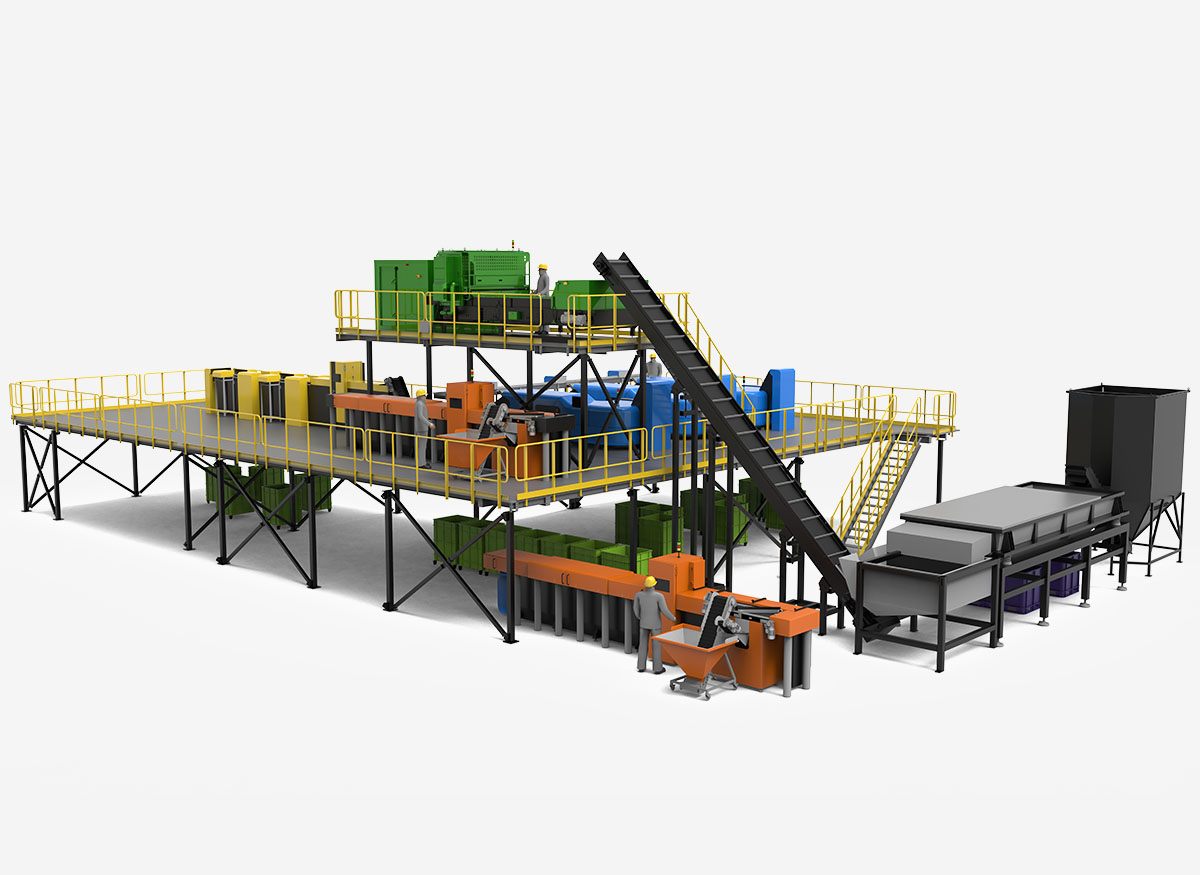
BATTERAY Platform™ is a compact battery recycling preprocessing plant developed for the new reality of mixed battery waste. The system helps recyclers control the first stage before downstream recycling by separating complex incoming material into the right process routes.
Instead of treating mixed battery waste as one difficult material flow, BATTERAY Platform™ helps prepare different material groups for the right next operation. This reduces manual re-sorting, protects output fractions from contamination and supports cleaner material preparation for further recycling.
The platform can operate as a standalone preprocessing line or be integrated into an existing recycling facility, allowing capacity and functionality to expand as feedstock volumes, output requirements and business needs grow.
Platform process architecture
BATTERAY Platform™ is built around a modular process logic: one mixed input stream enters the line, while dedicated platform sections route, sort, process and record material movement within the validated configuration.
The process is configured around three practical questions: what material the recycler accepts, what saleable output fractions are required, and what operating benefit can be achieved at the real annual volume.
- FlowGate XR™ — routing of a mixed battery stream into defined process routes.
- ZETA and ZETA Li — chemistry sorting within the validated material envelope.
- BATTERAY PAC™ — a separate route for eligible battery packs and packaged battery objects.
- Batch Passport — recorded processing information for routing and process traceability.
This architecture allows recyclers to build the plant around the real incoming stream, required output fractions and future growth plans rather than forcing all battery waste through one fixed sorting route.
Process overview
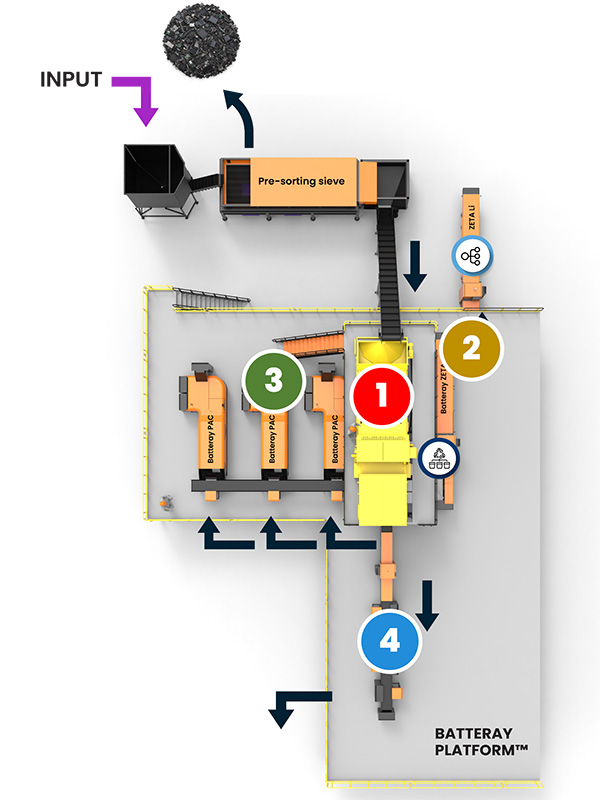
Step 1. FlowGate XR™
Prepared mixed material enters the platform and is routed into the correct process direction. Supported routing can include fixed routes for loose cells, eligible packs and secondary material, programmable routes for recurring customer objects, and controlled review for unknown or low-confidence items.
Step 2. ZETA and ZETA Li
Battery sorting and lithium classification are performed within the validated material envelope. This helps separate supported battery groups into cleaner, more useful output fractions for downstream recycling.
Step 3. BATTERAY PAC™
Eligible battery packs and packaged battery objects follow a separate controlled route. Pack handling may include electrical status check, inspection before opening and return of eligible extracted cells to the appropriate sorting route.
Step 4. Batch Passport
Routing and processing information is recorded across the platform, helping recyclers maintain process traceability and review how material was routed, sorted, handled and prepared for downstream processing.
Customer configuration basis
- Accepted input: chemistry, format, condition and variability of the real stream
- Saleable output: required fractions and limits from the receiving recycler
- Operating benefit: process value at the actual annual volume
- Validation basis: representative feed, sorting quality, sustained operation and routing response
Concept configuration design target: up to 2.5 t/h. Actual performance depends on input composition, mechanical preparation, selected modules, validated material envelope and final system configuration.
Related BATTERAY technologies
- BATTERAY™ — X-ray battery sorting technology for used portable batteries.
- BATTERAY ZETA™ — intelligent battery sorting system for industrial recycling workflows.
- BATTERAY PAC™ — controlled preprocessing route for eligible battery packs.
Read less
Read more
Platform sections:
- Mixed battery stream routing
- Battery chemistry sorting
- Lithium battery classification
- Battery pack preprocessing
- Controlled review for unknown or low-confidence objects
- Batch and process traceability
Key features

Compact Preprocessing Plant
BATTERAY Platform™ creates a controlled first stage before downstream recycling, helping recyclers process complex mixed battery waste in one modular industrial workflow.

Mixed Stream Routing
FlowGate XR™ routes prepared mixed material into the correct process direction, including fixed routes, programmable customer routes and controlled review for low-confidence objects.

ZETA and ZETA Li Sorting
BATTERAY ZETA™ and BATTERAY ZETA Li™ support battery chemistry sorting and lithium battery classification within the validated material envelope.

Separate Pack Route
BATTERAY PAC™ provides a dedicated route for eligible battery packs and packaged battery objects, including controlled handling before extracted cells return to sorting.

Batch Passport Traceability
Batch Passport records routing and processing information across the platform, supporting clearer process traceability and review of how material was handled.

Configured Around the Stream
The platform is configured around accepted input, required output fractions and operating benefit, allowing recyclers to build the process around real feedstock and business needs.



Video
Technical data
Platform configuration
| System type | Modular battery recycling preprocessing platform |
| Application | Routing, sorting, classification, pack preprocessing and traceability of mixed battery waste streams |
| Configuration | Standalone preprocessing line or integration into an existing recycling facility |
| Process basis | Configured around accepted input, required output fractions and operating benefit |
Processing capacity
| Concept configuration design target | up to 2.5 t/h |
| Performance basis | Input composition, mechanical preparation, selected modules and validated system configuration |
| Accepted input | Chemistry, format, condition and variability of the real incoming stream |
| Saleable output | Required fractions and limits defined by the receiving recycler |
Routing logic
| FlowGate XR™ Adaptive | X-ray / AI-supported routing of prepared mixed battery material |
| Fixed routes | 3 fixed routes for loose cells, eligible packs and eligible secondary material |
| Programmable routes | 2 programmable routes for recurring customer objects within validated classes |
| Controlled residual | 1 controlled route for unknown, unsupported or low-confidence objects |
Sorting and classification
| Battery sorting | BATTERAY ZETA™ chemistry sorting within the validated material envelope |
| Lithium classification | BATTERAY ZETA Li™ classification by validated lithium battery classes |
| Validation basis | Representative feed, sorting quality, sustained operation and routing response |
| Output control | Cleaner process-ready fractions for downstream recycling requirements |
Pack preprocessing
| BATTERAY PAC™ | Separate route for eligible battery packs and packaged battery objects |
| SmartCut Safety Gate | Electrical status check and permission for the next operation |
| OpenSort XR | Inspection before opening within an approved pack range |
| Cell return | Eligible extracted cells return to the appropriate ZETA route |
Traceability and acceptance
| Batch Passport | Recorded routing and processing information across the platform |
| Customer review | Output samples, report and version record for acceptance |
| Line response | Routing, interfaces, full-bin handling, stop and restart response confirmed during validation |
| Delivery scope | Final scope depends on validated classes, module selection, interfaces and integration responsibilities |
Processing capacity
| Concept configuration design target | up to 2.5 t/h / up to 5,500 lb/h |
| Performance basis | Input composition, mechanical preparation, selected modules and validated system configuration |
| Accepted input | Chemistry, format, condition and variability of the real incoming stream |
| Saleable output | Required fractions and limits defined by the receiving recycler |
Related links

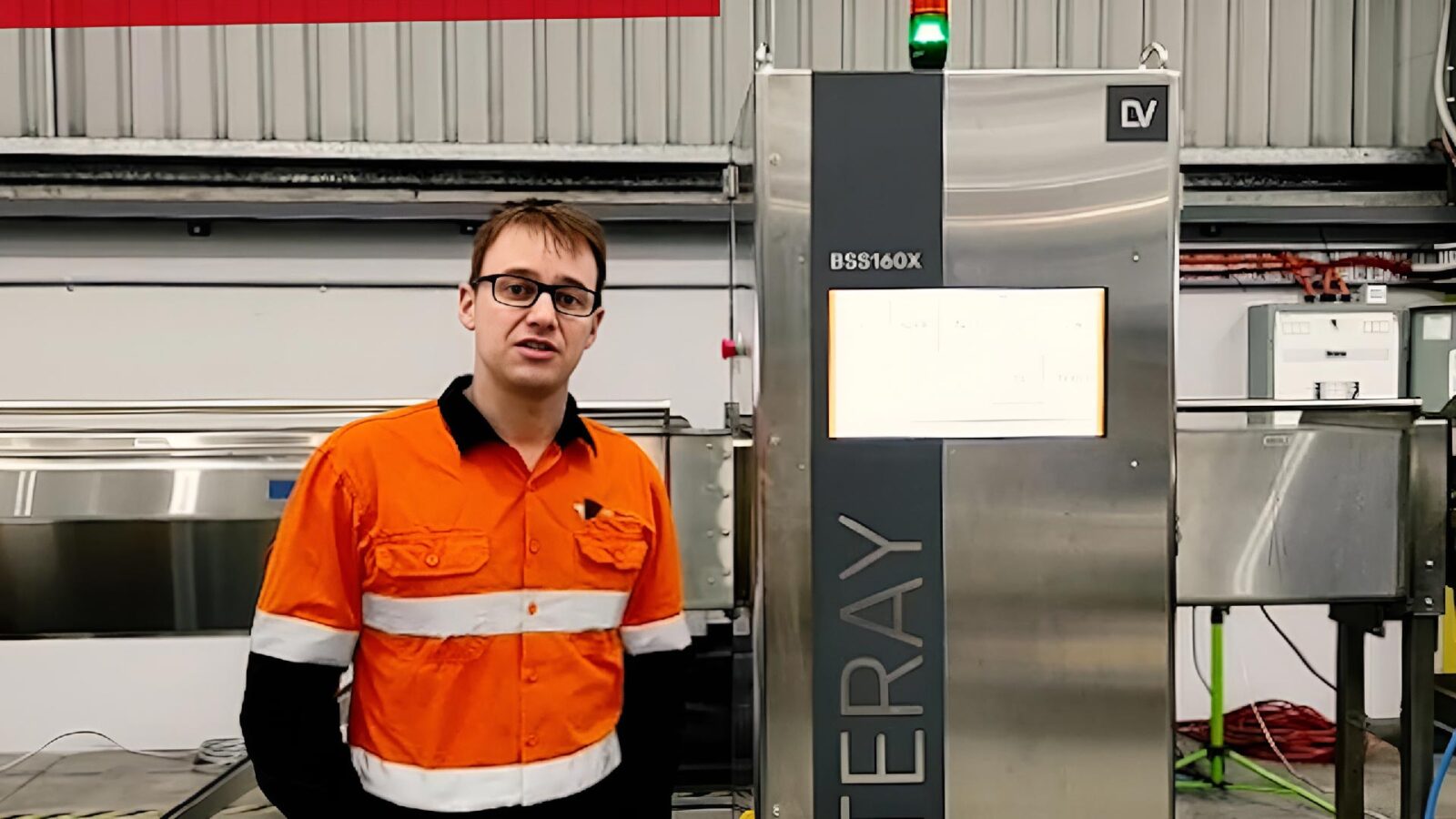
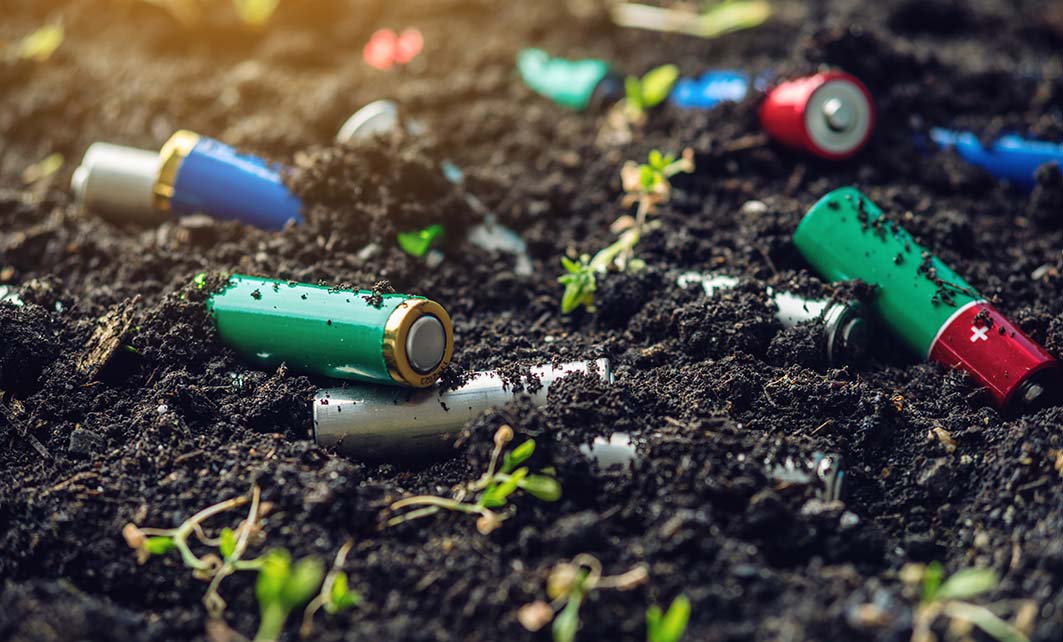
Mixed streams of used portable batteries are difficult to sort reliably when labels are damaged, missing, or misleading. Manual inspection and surface-based recognition can lead to sorting errors, cross-contamination, and lower-value output fractions.
BATTERAY™ solves this problem by using X-ray battery inspection to analyze the internal structure of each battery. Instead of depending on color, label, or external condition, the system identifies battery chemistry by structural and material features inside the cell.
This technology supports automatic battery sorting into key chemical groups, helping recycling facilities improve sorting purity, reduce manual dependency, and protect downstream recycling processes from contamination.
Learn how X-ray battery sorting technology helps recyclers identify used batteries more accurately and turn mixed battery waste into cleaner, more valuable material fractions.

The fastest way to hear back from us is to fill the contact form below. Our appropriate department will get back to you depending on your inquiry as soon as possible.
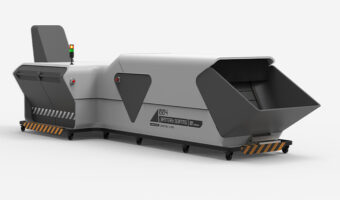
AI-powered X-ray system for battery pack identification and controlled disassembly
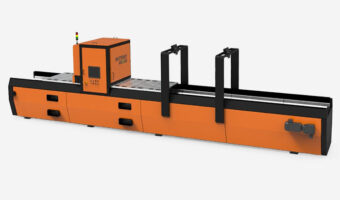
Detects hidden Li-ion and Ni-MH batteries in waste and e-waste streams using AI-powered X-ray and optical sensing, helping recycling facilities reduce battery-related fire risks before critical processing stages.
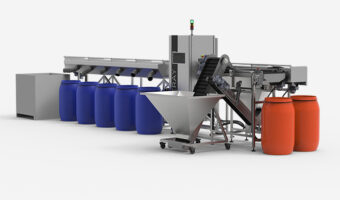
Automatic X-ray battery sorting system for separating used portable batteries into up to 6 chemical groups
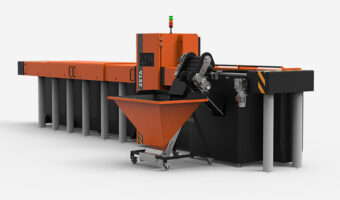
AI-powered multi-sensor X-ray system for high-speed classification and sorting of mixed battery chemistries based on internal structure and material composition