



















Datasheet
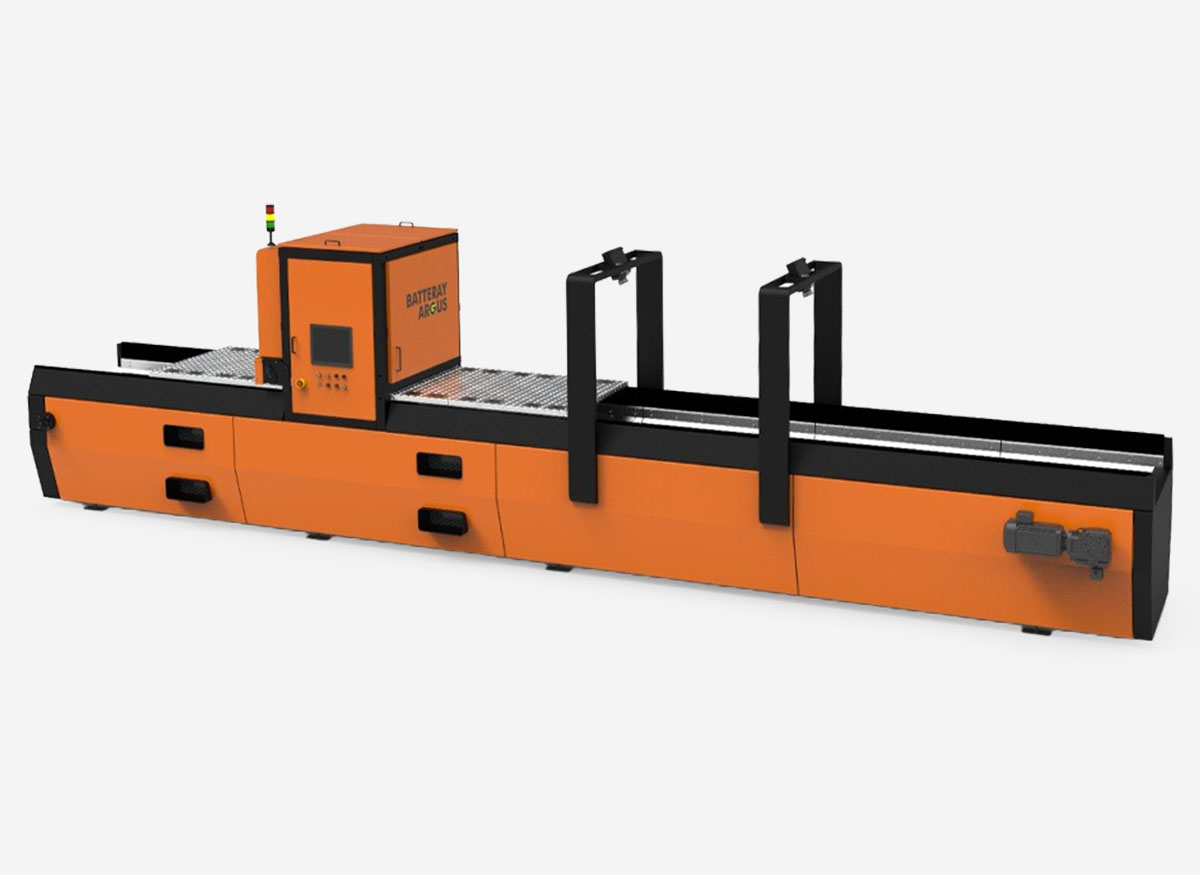
BATTERAY™ ARGUS is an AI-powered X-ray and optical battery detection system designed for recycling plants, MRFs, WEEE processors and waste management facilities that need to identify hidden battery hazards before they reach critical processing stages.
The system combines internal X-ray inspection with optical recognition and AI-based detection logic to identify Li-ion and Ni-MH batteries concealed inside mixed waste, e-waste, paper streams, electronic assemblies and battery-containing devices.
BATTERAY™ ARGUS helps operators detect battery hazards before shredding, baling, compacting or downstream processing. This supports safer material handling, reduces dependence on manual visual inspection and helps protect recycling equipment from battery-related fire and damage risks.
The system can be configured for manual battery picking with real-time detection guidance or integrated with automated rejection equipment, depending on the facility layout, material flow and required level of automation.
BATTERAY™ ARGUS is built for complex and changing waste streams where batteries may not be visible from the outside. Optical recognition helps evaluate external object features, while X-ray imaging reveals internal structures that can indicate hidden batteries, battery packs or electronic assemblies.
This dual sensing approach is especially important for “black box” electronics, small appliances, e-cigarettes, toys, portable devices, plastic housings and contaminated material where standard optical inspection alone may not provide enough information for reliable battery hazard detection.
By analyzing X-ray and optical data in real time, BATTERAY™ ARGUS supports early decision-making before high-risk mechanical processing stages. The system helps recycling facilities create a more controlled process for battery removal while maintaining compatibility with existing waste and e-waste workflows.
Core capabilities
- AI-powered battery detection based on X-ray and optical sensing
- Detection of hidden Li-ion and Ni-MH batteries inside devices, casings and mixed material
- Real-time operator guidance for manual battery picking
- Automated rejection compatibility for higher levels of line automation
- Support for mixed waste and e-waste streams including WEEE, commercial waste and paper waste
- Industrial configuration flexibility for different material flows, plant layouts and recycling goals
Detected battery hazards:
- Li-ion batteries and battery packs
- Ni-MH batteries and battery packs
- Batteries hidden inside electronic devices
- Battery-containing small appliances
- E-cigarettes and compact rechargeable devices
- Power tool batteries and portable electronics
- Battery assemblies inside plastic housings
- Batteries wrapped in plastic or covered with dirt
- Battery-containing objects in mixed municipal waste
- Battery hazards in WEEE and e-waste streams
Target applications:
- Mixed municipal solid waste
- Commercial waste
- WEEE and e-waste streams
- Paper and cardboard waste streams
- Battery hazard detection before shredding or baling
Key features

AI-Driven Dual Sensing
BATTERAY™ ARGUS combines X-ray inspection and optical recognition to detect batteries hidden inside complex waste and e-waste streams.

Over 95% Detection Efficiency
The system detects batteries and battery-containing devices from target fractions with over 95% detection efficiency, supporting safer waste processing.

Li-Ion and Ni-MH Battery Detection
BATTERAY™ ARGUS identifies Li-ion and Ni-MH battery packs, including batteries concealed inside devices, casings, plastic or contaminated material.

Up to 10 t/h Throughput
The system supports adjustable processing capacity from 2 to 10 t/h, depending on material type, input stream and selected removal configuration.

1200 mm Conveyor Width
A 1200 mm conveyor supports wide material flows, making the system suitable for mixed waste, WEEE, commercial waste and paper streams.

Flexible Battery Removal
BATTERAY™ ARGUS supports manual picking with real-time detection guidance or integration with automated rejection systems for higher line automation.



Video
Technical data
Detection performance
| Detection technology | AI-driven X-ray + Optical sensing |
| Target batteries | Li-ion and Ni-MH battery packs |
| Detection efficiency | Over 95% from target fractions |
| Detected object size | 10-250 mm |
| Target objects | Batteries, battery-containing devices and electronic assemblies |
Throughput and conveyor
| Total stream throughput | 2-10 t/h, material-dependent |
| Conveyor speed | 0.5-1.0 m/s |
| Conveyor width | 1200 mm |
| Removal configuration | Manual picking guidance or automated rejection |
Input material
| Mixed Municipal Solid Waste | Supported |
| Commercial Waste | Supported |
| Biodegradable Waste | Supported |
| WEEE / e-waste stream | Supported |
| Paper Waste | Supported |
System configuration
| Battery removal mode | Manual or automated, depending on line configuration |
| Software logic | AI-based battery hazard detection |
| Process control | Real-time data and line integration |
| Main application | Battery detection before shredding, baling or downstream processing |
Detection performance
| Detection technology | AI-driven X-ray + Optical sensing |
| Target batteries | Li-ion and Ni-MH battery packs |
| Detection efficiency | Over 95% from target fractions |
| Detected object size | 0.4-9.8 in |
| Target objects | Batteries, battery-containing devices and electronic assemblies |
Throughput and conveyor
| Total stream throughput | 2.2-11 short tons/h, material-dependent |
| Conveyor speed | 1.6-3.3 ft/s |
| Conveyor width | 47.2 in |
| Removal configuration | Manual picking guidance or automated rejection |
Input material
| Mixed Municipal Solid Waste | Supported |
| Commercial Waste | Supported |
| Biodegradable Waste | Supported |
| WEEE / e-waste stream | Supported |
| Paper Waste | Supported |
System configuration
| Battery removal mode | Manual or automated, depending on line configuration |
| Software logic | AI-based battery hazard detection |
| Process control | Real-time data and line integration |
| Main application | Battery detection before shredding, baling or downstream processing |
Related links
Mixed streams of used portable batteries are difficult to sort reliably when labels are damaged, missing, or misleading. Manual inspection and surface-based recognition can lead to sorting errors, cross-contamination, and lower-value output fractions.
BATTERAY™ solves this problem by using X-ray battery inspection to analyze the internal structure of each battery. Instead of depending on color, label, or external condition, the system identifies battery chemistry by structural and material features inside the cell.
This technology supports automatic battery sorting into key chemical groups, helping recycling facilities improve sorting purity, reduce manual dependency, and protect downstream recycling processes from contamination.
Learn how X-ray battery sorting technology helps recyclers identify used batteries more accurately and turn mixed battery waste into cleaner, more valuable material fractions.


The fastest way to hear back from us is to fill the contact form below. Our appropriate department will get back to you depending on your inquiry as soon as possible.
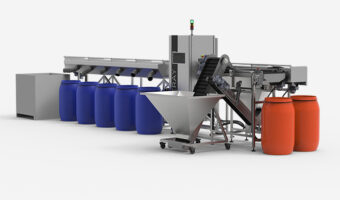
Automatic X-ray battery sorting system for separating used portable batteries into up to 6 chemical groups
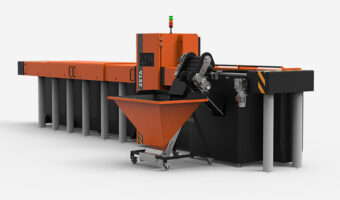
AI-powered multi-sensor X-ray system for high-speed classification and sorting of mixed battery chemistries based on internal structure and material composition
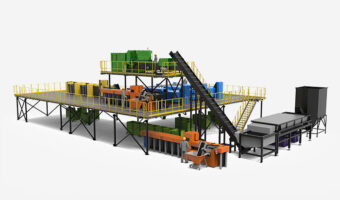
Compact X-ray / AI-supported battery preprocessing plant for routing, sorting and preparing complex mixed battery waste streams for downstream recycling