














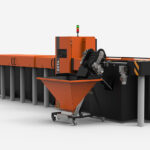
Datasheet
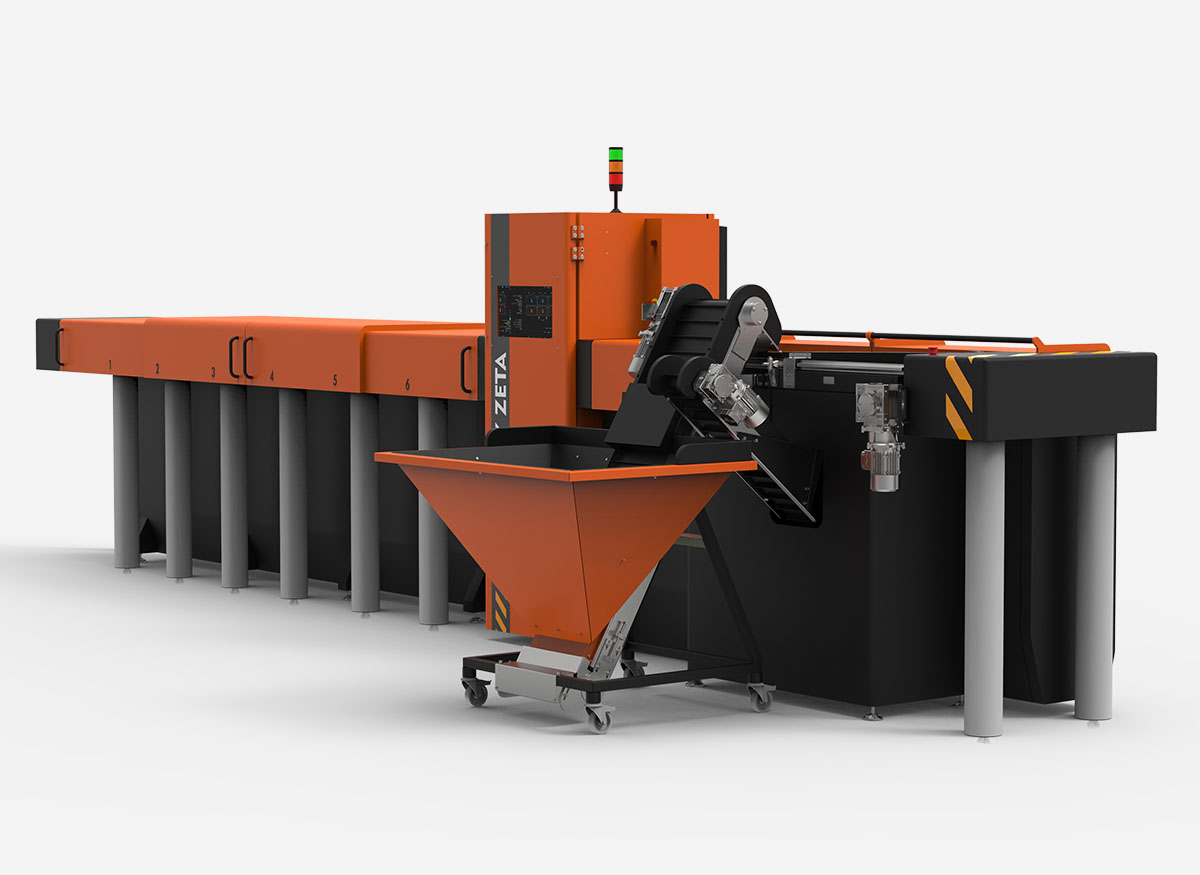
BATTERAY™ ZETA is an advanced X-ray battery sorting system designed for recycling facilities that need higher recognition accuracy, stronger process control, and cleaner separation of complex mixed battery streams.
Built on proven BATTERAY™ X-ray sorting technology, BATTERAY™ ZETA uses X-ray inspection and AI-supported classification to identify battery types by internal structure and radiographic features, not only by visible labels or surface appearance.
This approach is especially important when batteries are corroded, counterfeit, unmarked, visually similar, or difficult to classify by appearance alone. BATTERAY™ ZETA improves recognition of key battery chemistries and helps recyclers obtain cleaner output fractions for downstream processing.
Within the BATTERAY™ Platform, BATTERAY™ ZETA is the core system for X-ray battery sorting. It can be used as a standalone sorting solution or as part of a wider preprocessing line with mixed stream routing, lithium battery classification, pack preprocessing, residual object review, and batch traceability.
| System | Main Role | Recognition Approach | Best Application |
|---|---|---|---|
| BATTERAY™ | Proven X-ray battery sorting system | X-ray detection of internal battery features | Reliable and cost-efficient sorting of mixed portable batteries |
| BATTERAY™ ZETA | Core X-ray battery sorting system for individual batteries | X-ray inspection with AI-supported battery classification | Cleaner output fractions, improved chemistry recognition, and more consistent industrial sorting |
| BATTERAY™ Li | Lithium battery classification for lithium-relevant fractions | Advanced X-ray analysis and AI-supported classification, where validated for the target stream | Separation of lithium battery groups by chemistry to prepare more predictable feedstock for downstream recycling |
BATTERAY™ ZETA is designed for facilities moving beyond basic battery sorting toward a more controlled, data-driven process with higher throughput, improved chemistry recognition, and better integration into modern recycling workflows.
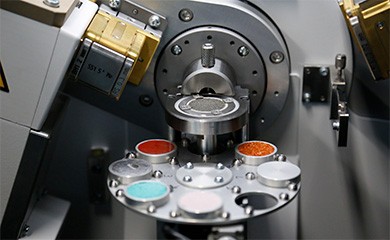
The system uses a multi-sensor detection architecture. Optical recognition helps evaluate visible characteristics, while X-ray inspection analyzes the internal geometry and material structure of each battery. Machine-learning algorithms combine these data streams to assign batteries to the appropriate sorting group.
Compared with the base BATTERAY™ system, BATTERAY™ ZETA introduces enhanced recognition capabilities, a more advanced software environment, improved statistics, error logging, and wider integration options for industrial recycling facilities.
A key focus of BATTERAY™ ZETA is improved separation of nickel-based batteries. Ni-Cd and Ni-MH batteries may look similar, but they require different downstream handling. Improved recognition of these groups helps reduce cross-contamination and supports cleaner material fractions.
Advanced sub-classification of Li-ion batteries, including LMO, NMC, and LFP, is part of the ongoing R&D roadmap. The BATTERAY™ ZETA architecture is designed to support future development in this direction, but current project specifications should always be confirmed with the LINEV Systems technical team.
- AI-supported multi-sensor recognition based on optical inspection and X-ray battery analysis
- Improved Ni-Cd / Ni-MH separation for cleaner nickel-based fractions
- Recognition of unmarked, corroded, counterfeit, and visually similar batteries
- Advanced software environment with expanded database, statistics, and error logging
- Industrial throughput up to 23,000 batteries/hour and up to 350–400 kg/hour
- Future-ready architecture prepared for advanced Li-ion sub-classification development
Software Capabilities
- Machine-learning classification based on optical and X-ray inspection data
- Expanded battery database for improved recognition in mixed recycling streams
- Custom sorting programs selected according to the required recycling workflow
- Statistics and error logging for better monitoring of sorting performance
- Support for future software and recognition upgrades as battery streams evolve
Supported battery groups:
- Zinc–Carbon (ZnC)
- Alkaline (Alk)
- Nickel-Cadmium (NiCd)
- Nickel-Metal Hydride (NiMH)
- Mixed NiCd / NiMH group
- Lithium-Ion (Li-Ion)
- Lithium Primary (Li-Primary)
- Lithium Thionyl Chloride (Li-SOCl₂)
- Lithium Manganese Dioxide (Li-MnO₂)
- Lithium Iron Disulfide (Li-FeS₂)
Classification Structure
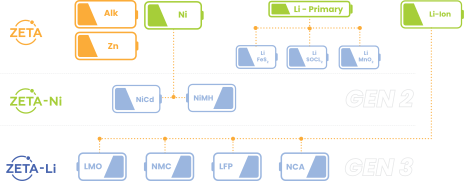
Sort Map
| ZnC | Alk | NiCd / NiMH | NiCd | NiMH | Li-Primary | Li-SOCl₂ | Li-MnO₂ | Li-FeS₂ | Li-Ion | |
| AAAA (LR61) | + | + | ||||||||
| AAA (R03) | + | + | + | + | + | + | + | + | + | |
| AA (LR6) | + | + | + | + | + | + | + | + | + | + |
| C (LR14) | + | + | + | + | + | + | ||||
| D (LR20) | + | + | + | + | + | + | + | + | ||
| 6F22 (9V) | + | + | + | + | + | + | ||||
| A23 | + | |||||||||
| A27 | + | |||||||||
| CR2 | + | + | + | |||||||
| 16340 (CR123) | + | + | + | + | ||||||
| 14250 (1/2 AA) | + | + | + | |||||||
| 18650 | + | |||||||||
| 21700 | + |
Process Overview
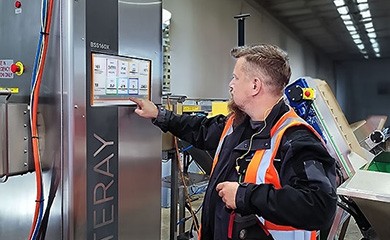
Step 1. After the operator loads batteries into the hopper, the material moves through the conveyor system where small waste, electrolyte dust, broken battery parts, and miniature batteries are separated from the main stream.
Step 2. Batteries are then moved along the orientation conveyor and pass through the detection system where optical analysis and X-ray inspection collect data for classification.
Step 3. Machine-learning algorithms analyze the inspection data and assign each battery to the relevant chemistry group according to the selected sorting program.
Step 4. Identified batteries are discharged into the appropriate container using pneumatic injectors. Batteries that cannot be sorted for any reason are directed to a separate container for re-scan or additional review.
- Throughput up to 23,000 batteries/hour
- Nominal throughput up to 350–400 kg/hour
- Sorting purity of 99.5% for Alkaline and Zinc-Carbon batteries
- Over 98% sorting purity for Ni-Cd / NiMH groups
- Over 95% sorting purity for other supported battery groups
Key features

AI-Driven Multi-Sensor Recognition
BATTERAY™ ZETA combines optical analysis, X-ray inspection, and machine-learning algorithms to classify batteries by internal structure and visible characteristics.

Improved Ni-Cd / Ni-MH Separation
Enhanced recognition tools support more accurate separation of nickel-based batteries, helping recyclers reduce cross-contamination in downstream fractions.

Future-Ready Li-Ion Architecture
The system architecture is designed to support future advanced Li-ion sub-classification, including LMO, NMC, and LFP, as part of the ongoing R&D roadmap.

High-Purity Battery Sorting
Sorting purity reaches 99.5% for Alkaline and Zinc-Carbon batteries, over 98% for Ni-Cd / NiMH, and over 95% for other supported groups.

Industrial Sorting Throughput
BATTERAY™ ZETA processes up to 23,000 batteries per hour with nominal throughput up to 350–400 kg per hour, depending on battery mix and input material.

Integrated Inline Platform
Designed for modern recycling facilities, BATTERAY™ ZETA supports supervised operation, advanced software tools, and integration into industrial battery sorting workflows.



Video
Technical data
X-ray source
| X-ray emission | Complies with the standard: 1 μSv/h at any accessible point at a distance of 10 cm from the external surface of the system |
| X-ray protection | Full operator protection |
Loading
| Loading hopper capacity, up to | 350 kg |
| Loading hopper volume | 250 L |
| Productivity of pure fractions | up to 23,000 batteries/hour |
| Nominal throughput | up to 350–400 kg/hour |
| Throughput capacity | up to 430 kg/hour, material-dependent |
| Pneumatic | 10 bar ±10%, ≥500 SLPM |
Dimensions
| Overall dimensions (maximum) | ||
|---|---|---|
| Length | 8960 mm | |
| Width | 2690 mm | |
| Height | 2400 mm |
| Layout | 15000 x 8000 mm |
|---|
| Weight (maximum) | 2650 kg |
|---|
Purity
| Zinc-Carbon, Alkaline | 99.5 % |
| Ni-Cd / NiMH | >98 % |
| Other groups | >95 % |
X-ray source
| X-ray emission | Complies with the standard: 0.1 mrem/h at any accessible point at a distance of 4 in from the external surface of the system |
| X-ray protection | Full operator protection |
Loading
| Loading hopper capacity, up to | 772 lb |
| Loading hopper volume | 66 gal |
| Productivity of pure fractions | up to 23,000 batteries/hour |
| Nominal throughput | up to 772–882 lb/hour |
| Throughput capacity | up to 948 lb/hour, material-dependent |
| Pneumatic | 145 psi ±10%, ≥17.7 SCFM |
Dimensions
| Overall dimensions (maximum) | ||
|---|---|---|
| Length | 29.4 ft | |
| Width | 8.8 ft | |
| Height | 7.9 ft |
| Layout | 49.2 x 26.2 ft |
|---|
| Weight (maximum) | 5842 lb |
|---|
Purity
| Zinc-Carbon, Alkaline | 99.5 % |
| Ni-Cd / NiMH | >98 % |
| Other groups | >95 % |
Reviews and related links
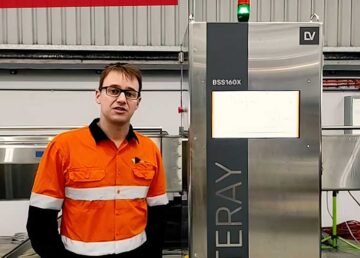
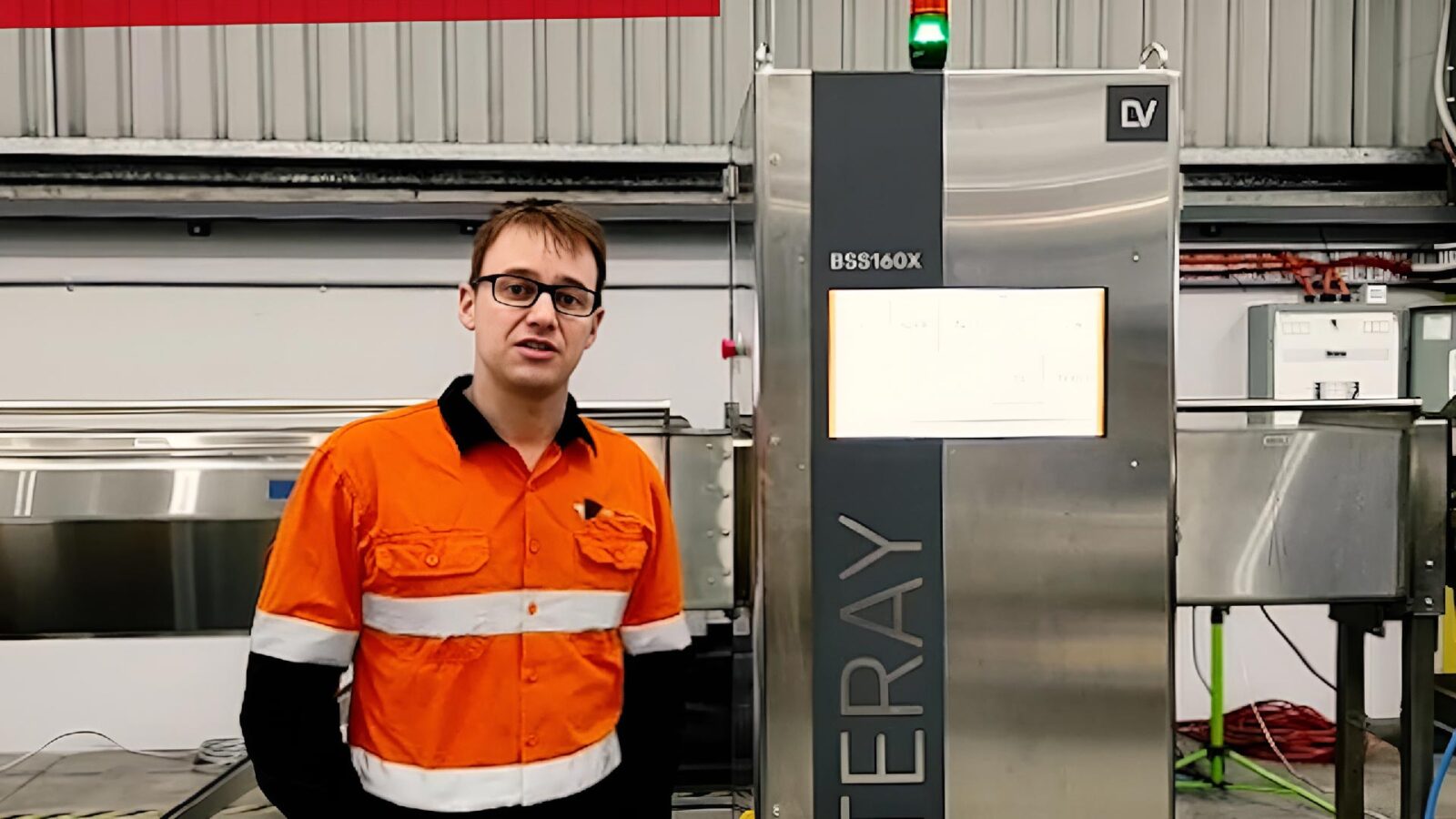
Mixed streams of used portable batteries are difficult to sort reliably when labels are damaged, missing, or misleading. Manual inspection and surface-based recognition can lead to sorting errors, cross-contamination, and lower-value output fractions.
BATTERAY™ solves this problem by using X-ray battery inspection to analyze the internal structure of each battery. Instead of depending on color, label, or external condition, the system identifies battery chemistry by structural and material features inside the cell.
This technology supports automatic battery sorting into key chemical groups, helping recycling facilities improve sorting purity, reduce manual dependency, and protect downstream recycling processes from contamination.
Learn how X-ray battery sorting technology helps recyclers identify used batteries more accurately and turn mixed battery waste into cleaner, more valuable material fractions.
The fastest way to hear back from us is to fill the contact form below. Our appropriate department will get back to you depending on your inquiry as soon as possible.
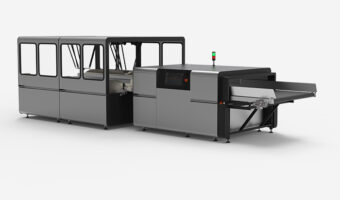
Batteries are no longer waste the environment and avoids getting into landfill
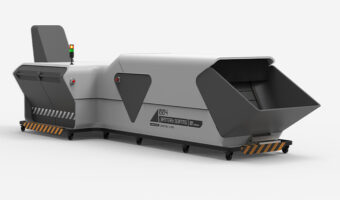
AI-powered X-ray system for battery pack identification and controlled disassembly
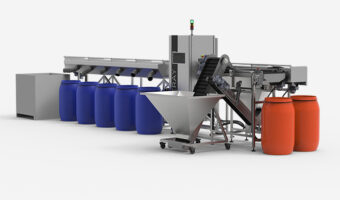
Automatic X-ray battery sorting system for separating used portable batteries into up to 6 chemical groups