





















Datasheet
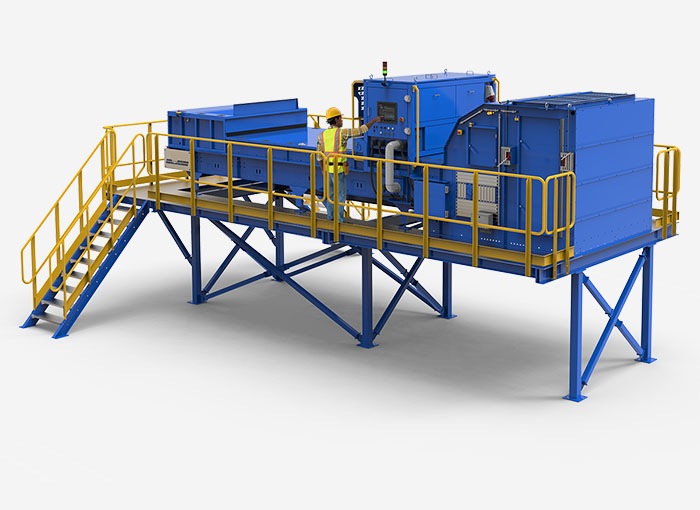
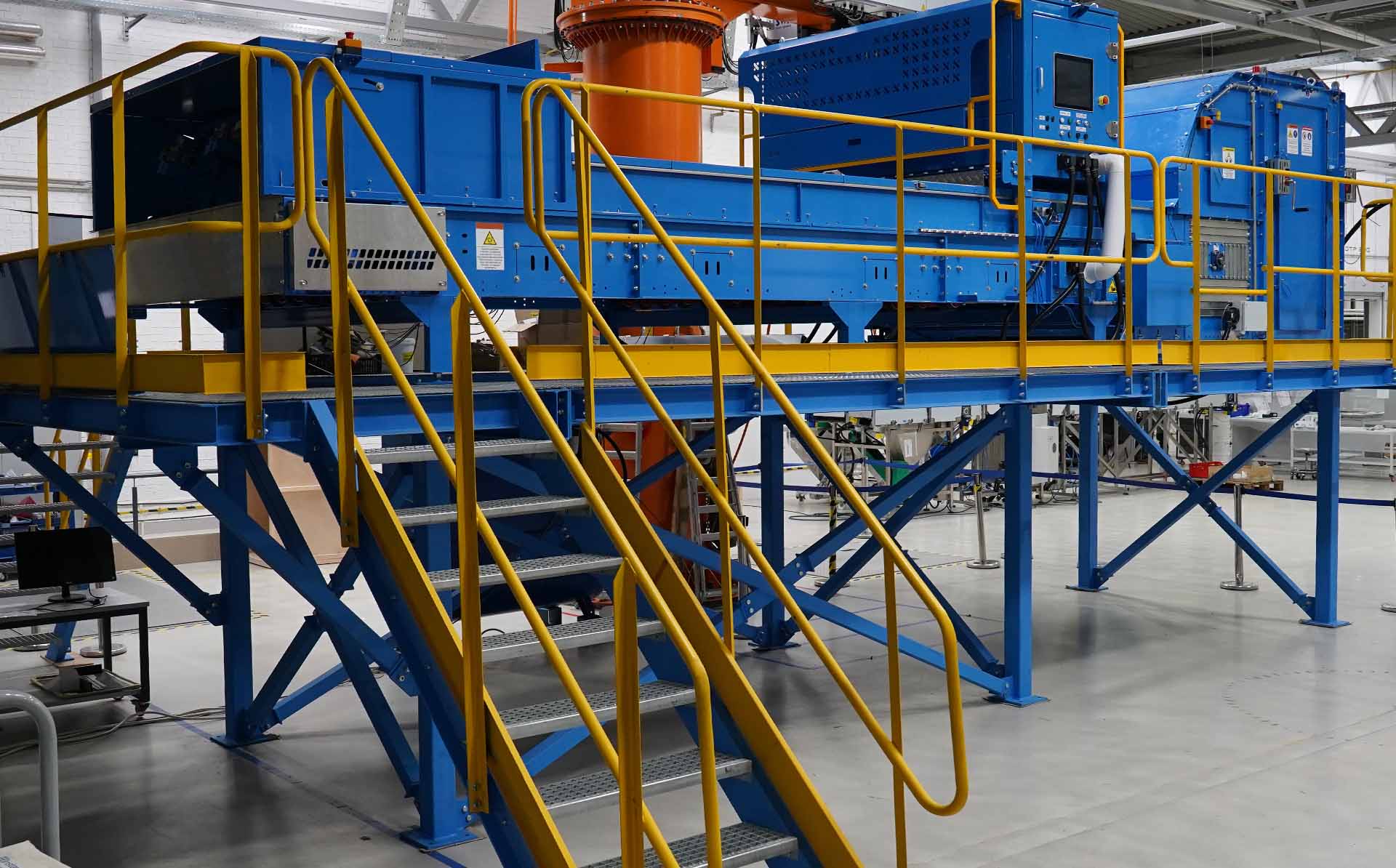
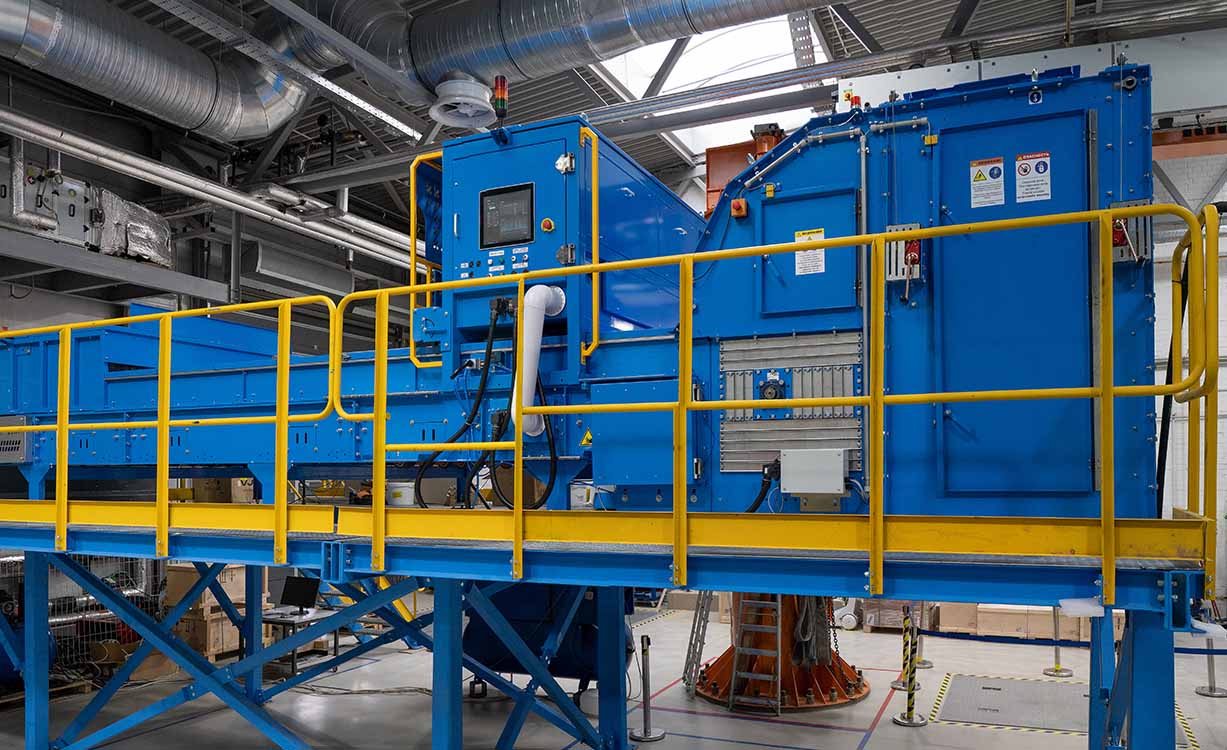
X-SORT is an AI-enhanced X-ray sorting system engineered to classify and separate materials from complex waste streams with exceptional precision.
Combining dual-energy radiographic imaging and real-time neural inference, it analyzes each object by density, composition, and structure — enabling reliable detection even under contamination, moisture, or surface disruption.
The platform was originally developed for glass recovery from municipal solid waste (MSW), but its architecture supports a much wider range of use cases: sorting of plastics, metals, e-waste fragments, and high-purity organic fractions.
X-SORT is optimized for integration into modern sorting lines, operating continuously and autonomously with minimal manual calibration — and capable of adapting its classification models as waste profiles evolve.
The system’s sensing core combines three synchronized modules: dual-energy X-ray imaging for material identity, RGB vision for surface characteristics, and a deep learning engine that fuses this data for real-time classification.
Target fragments are mapped by center of mass and removed via ultra-fast air jet ejection. All detection, classification, and separation steps occur continuously and are logged for traceability and quality control.
- Dual-sensor input: DEXRT + RGB with neural model fusion
- Accurate sorting of glass, polymers, aluminum, and hybrid materials
- Works effectively in compost, food waste, and e-waste streams
- Supports classification updates without hardware modification
Software Highlights
- Real-time object tracking and classification with AI
- Retrainable material detection logic for evolving streams
- Flexible valve mapping and separation control
- Operational analytics and log-based quality tracking
Core Applications
| Material | Waste Type | Sorting Goal | Added Benefit |
|---|---|---|---|
| Glass | Municipal solid waste, organics | Recover clean glass cullet | Removes ceramic and stone false positives |
| Aluminum, copper | Shredded e-waste, scrap | Separate non-ferrous metals | Recognizes small foil and embedded parts |
| Plastics (ABS, PVC, PET) | Mixed recyclables | Identify complex polymers | Detects black and flame-retardant variants |
| Organics | Food waste, compost | Purify outgoing organic fractions | Removes glass, plastic, and contaminants inline |
| E-waste layers | Electronics dismantling | Pre-sort batteries, circuits, heatsinks | Improves safety and value recovery |
Detectable Materials
- Glass (clear, green, amber, ceramic)
- Non-ferrous metals (Al, Cu)
- Polymers (black, multilayer, fire-resistant)
- Organic matter with foreign contaminants
- Electronic waste with composite structures
Process Summary
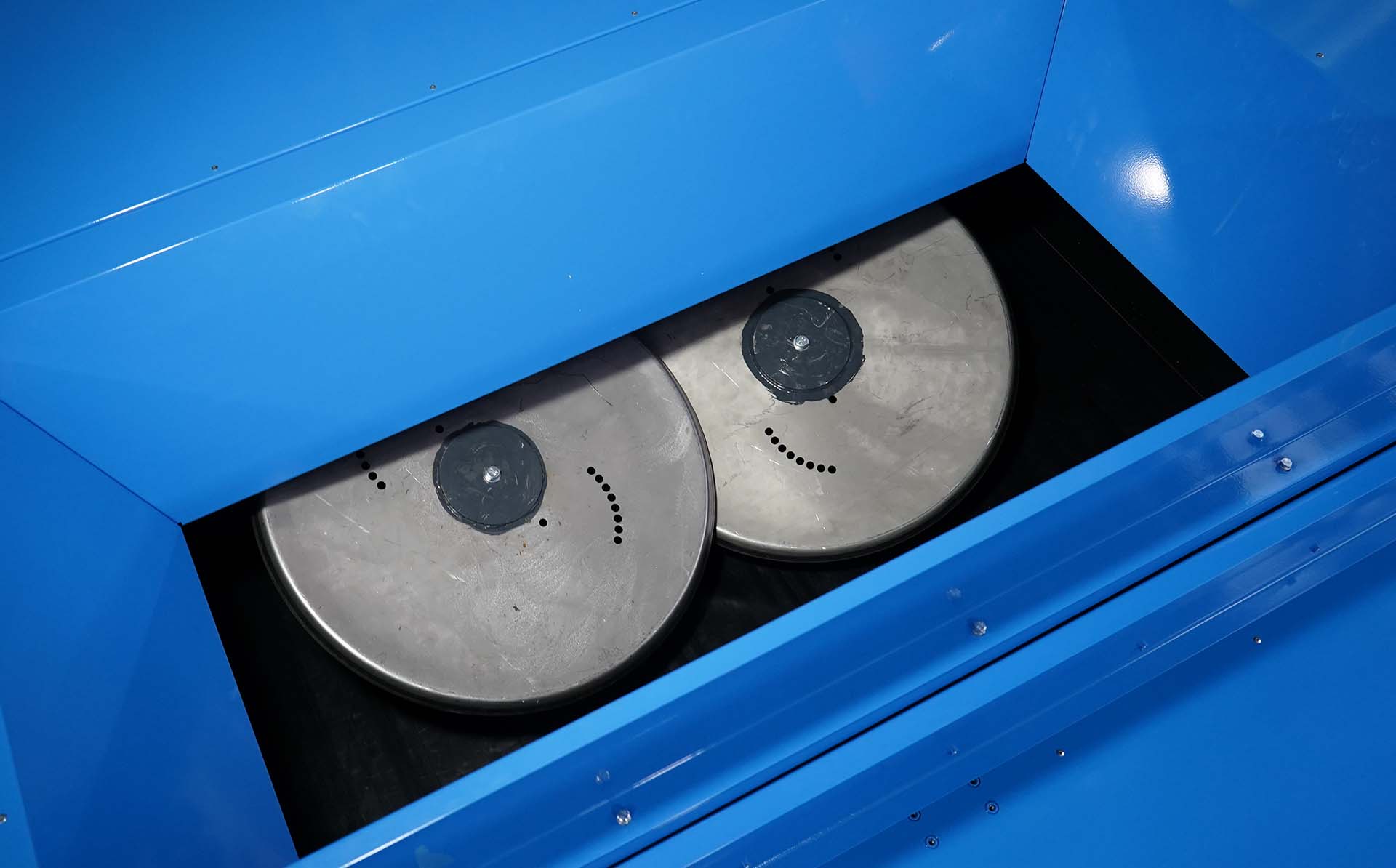
Material intake is spread into a monolayer via feeder and conveyor system, ensuring consistent sensor exposure.
In the detection stage, DEXRT and RGB modules scan each item. The AI engine classifies it by substance and structure.
Air jet ejection triggers on target coordinates within milliseconds, guiding sorted fractions to assigned bins.
- Supports 2-way, 3-way, or multistream sorting layouts
- Auto-calibration keeps detection stable in dirty/wet environments
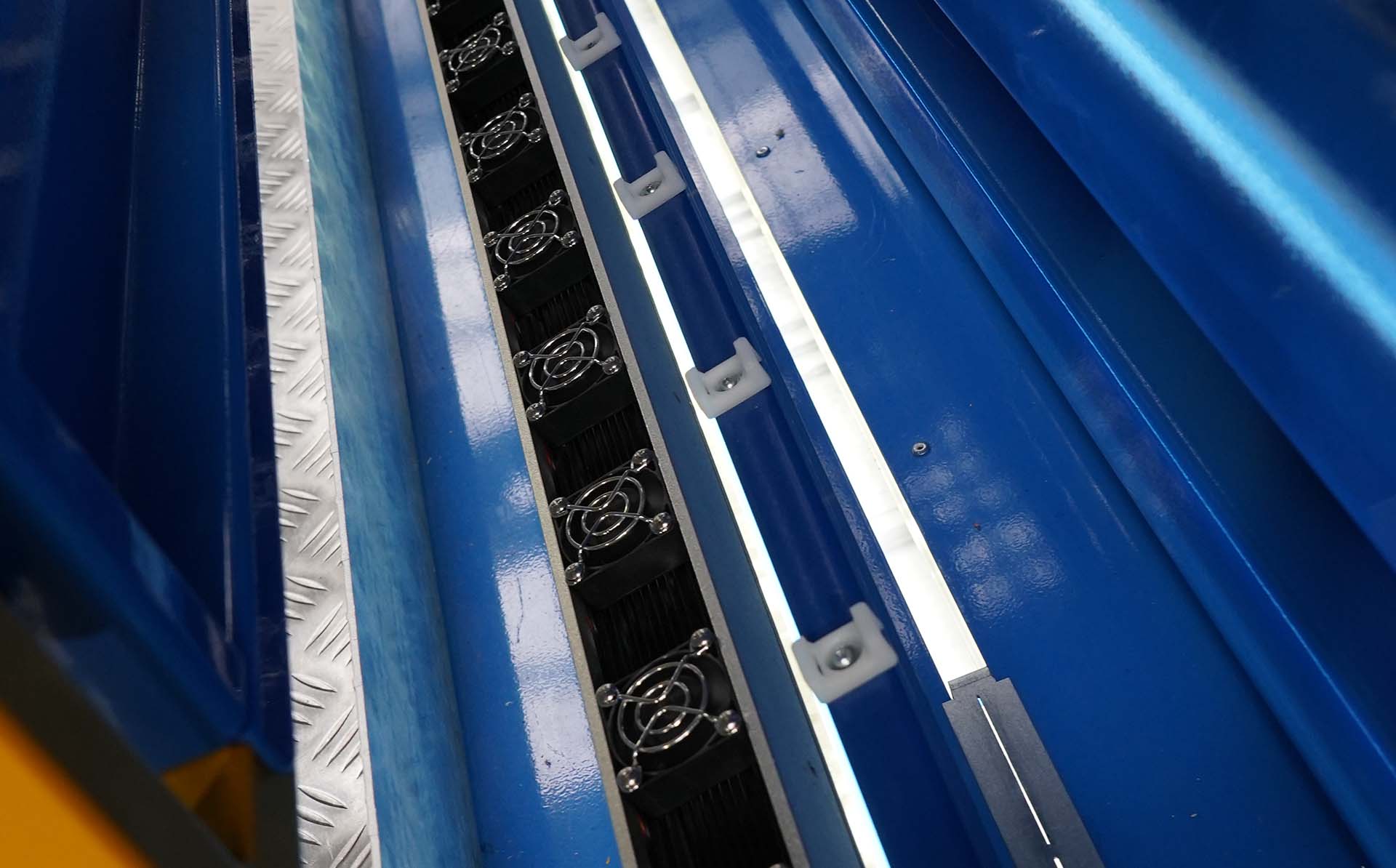
- Zero mechanical contact in scan zone for hygiene and uptime
Key features

AI-Powered Sorting Logic
Uses real-time neural processing to identify and classify materials by internal structure, not just surface appearance.

Dual-Energy X-Ray Detection
Combines high- and low-energy imaging to assess material density and atomic composition — even in wet or dirty waste streams.

High-Speed Air Ejection
Milliseconds-level pneumatic valves ensure precise removal of target fragments without interrupting flow or reducing speed.

Adaptable Material Recognition
Trained AI models can be updated to support new fractions — from glass and metals to complex polymers and e-waste.

Integrated System Monitoring
Real-time performance tracking and data logging support quality control, diagnostics, and operational compliance.

Broad Waste Stream Compatibility
Effectively processes MSW, organics, recyclables, and electronic waste — with high purity and low contamination rates.

Video
Technical data
Technical Details
| Sorting throughput | Up to 20 tons/hour |
| Conveyor speed | Up to 3 m/s |
| Minimum object size | 10 × 10 mm (≥2 mm height) |
| Glass detection efficiency | ≥ 85% |
| Cross-contamination | ≤ 5% |
| Max object weight | Up to 1 kg |
| Operating time | ≥ 20 hours/day |
| Power supply | 3-phase, 400 V, 50/60 Hz, 22.5 kVA |
| Pneumatic system | 8 bar, ISO 8573-1:2010 Class 5:3:3 |
Dimensions
| Overall dimensions | |
|---|---|
| Length | 9250 mm |
| Width | 8120 mm |
| Height | 4500 mm |
| Weight (approx.) | ~ 6,500 kg |
|---|
Technical Details
| Sorting throughput | Up to 44,000 lbs/hour |
| Conveyor speed | Up to 9.84 ft/s |
| Minimum object size | 0.39 × 0.39 in (≥0.08 in height) |
| Glass detection efficiency | ≥ 85% |
| Cross-contamination | ≤ 5% |
| Max object weight | Up to 2.2 lbs |
| Operating time | ≥ 20 hours/day |
| Power supply | 3-phase, 400 V, 50/60 Hz, 22.5 kVA |
| Pneumatic system | 116 psi, ISO 8573-1:2010 Class 5:3:3 |
Dimensions
| Overall dimensions | |
|---|---|
| Length | 30.35 ft |
| Width | 26.63 ft |
| Height | 14.76 ft |
| Weight (approx.) | ~ 14,330 lbs |
|---|
Reviews and related links
Downloads
Waste sorting today demands more than color sensors and shape recognition. Materials are layered, contaminated, moisture-heavy — and increasingly difficult to classify using traditional methods. That’s why X-SORT relies on dual-energy radiographic analysis and deep neural processing.
Instead of trying to guess what’s on the surface, X-SORT looks inside each object. By analyzing X-ray absorption at two energy levels, it determines the density and atomic structure of materials — while AI compares that signature to known patterns across glass, metals, plastics, and more.
This multi-layer detection model enables high-confidence separation even in the most contaminated streams. Whether you’re recovering clean glass from food waste or isolating lithium-bearing particles in shredded electronics, X-SORT delivers consistent results.
If your goal is to improve purity, reduce manual labor, or meet rising compliance thresholds — our X-ray sorting technology provides the precision and scalability to make it happen.

The fastest way to hear back from us is to fill the contact form below. Our appropriate department will get back to you depending on your inquiry as soon as possible.
Batteries are no longer waste the environment and avoids getting into landfill
Used batteries can be sorted into 6 different chemical groups