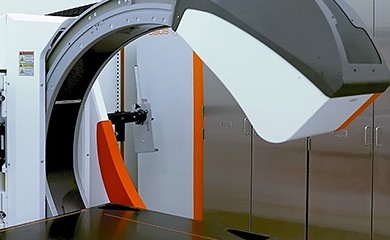














The VETOROX series of veterinary X-ray therapy systems is designed for localized radiation treatment in veterinary oncology and dermatology. These veterinary radiotherapy systems provide effective X-ray radiation therapy for animals, enabling treatment of conditions ranging from superficial skin lesions to deep-seated tumors in companion animals.
The systems are intended for veterinary clinics and oncology centers requiring precise, controlled veterinary radiation therapy with predictable clinical outcomes.
Veterinary X-ray therapy from the manufacturer
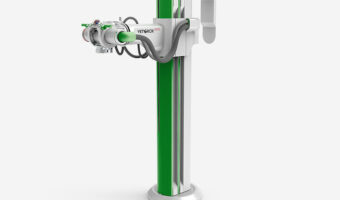


A high-power 290 kV X-ray therapy system designed for advanced veterinary radiotherapy
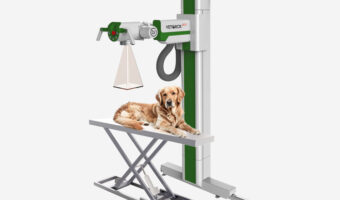
A 200 kV X-ray therapy system supporting both superficial and orthovoltage radiotherapy
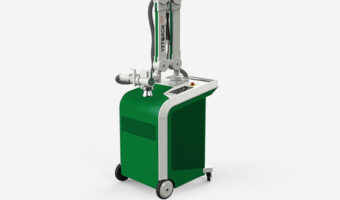
A 100 kV X-ray therapy system designed for superficial radiotherapy
VETOROX — Veterinary X-ray Therapy
A high-power 290 kV X-ray therapy system designed for advanced veterinary radiotherapy
A 200 kV X-ray therapy system supporting both superficial and orthovoltage radiotherapy
A 100 kV X-ray therapy system designed for superficial radiotherapy
VETOROX systems support two key methods used in veterinary radiotherapy and veterinary oncology radiation:
Superficial radiotherapy. Low-energy X-rays deliver radiation to the epidermis and shallow tissues. This method is widely used in X-ray therapy for animals for treatment of cutaneous tumors and inflammatory dermatologic conditions while minimizing exposure to deeper structures.
Orthovoltage radiotherapy. Medium-energy X-rays provide deeper penetration, allowing effective radiation therapy for animals with subcutaneous and internal tumors while maintaining controlled dose distribution.
VETOROX 200 and VETOROX 300 combine both methods, enabling broader clinical application in veterinary radiation oncology.
VETOROX systems are used in veterinary radiation oncology for localized treatment of neoplastic and inflammatory conditions in companion animals such as dogs and cats.
Applications include:
- Treatment of cutaneous and subcutaneous tumors;
- Therapy for soft tissue neoplasms;
- Management of deep-seated tumors;
- Radiation therapy for oral tumors;
- Treatment of bone-associated lesions;
- Post-surgical radiation therapy for animals for residual tumor control;
- Palliative veterinary radiotherapy for non-resectable tumors;
- Treatment of inflammatory dermatologic conditions.
Localized X-ray radiation therapy for animals allows clinicians to treat lesions that are difficult to remove surgically or require adjunct treatment.
VETOROX systems support two key methods used in veterinary radiotherapy and veterinary oncology radiation:
- Precise localized radiation delivery;
- Controlled dose distribution;
- Reduced irradiation of surrounding healthy tissues;
- Support for both primary and adjunct veterinary radiation therapy;
- Scalable veterinary X-ray therapy systems for different clinical needs.
The VETOROX series enables consistent and flexible workflows in veterinary radiotherapy systems used in modern veterinary practice.
The fastest way to hear back from us is to fill the contact form below. Our appropriate department will get back to you depending on your inquiry as soon as possible.
The VETOROX series of veterinary X-ray therapy systems includes three solutions:
- VETOROX 100 — 100 kV system for superficial radiotherapy, designed for X-ray therapy for animals with skin lesions and dermatologic conditions.
- VETOROX 200 — 200 kV system supporting superficial and orthovoltage veterinary radiotherapy, suitable for subcutaneous and soft tissue tumors.
- VETOROX 300 — 290 kV system for advanced veterinary radiation therapy, designed for deep-seated tumors and complex oncology cases.
Selection of veterinary radiotherapy systems depends on required penetration depth and clinical workload:
- VETOROX 100 — for superficial lesions and dermatology;
- VETOROX 200 — for mixed cases including superficial and subcutaneous tumors;
- VETOROX 300 — for deep tumors requiring advanced veterinary oncology radiation.
Key parameters of these veterinary X-ray therapy systems include:
- Tube voltage range: 100 kV to 290 kV;
- Support for superficial and orthovoltage radiation therapy for animals;
- Adjustable focal distance from 15 to 50 cm depending on model;
- Controlled dose delivery for localized veterinary radiation therapy;
- Capability to work with small treatment fields.
Depending on the system and therapy mode, these veterinary radiotherapy systems support treatment of:
- Cutaneous tumors;
- Basal and squamous cell carcinoma;
- Mast cell tumors;
- Benign skin tumors;
- Soft tissue sarcomas;
- Deep-seated tumors;
- Large tumor masses;
- Bone-associated tumors;
- Inflammatory dermatologic diseases.
Specialized X-ray systems