


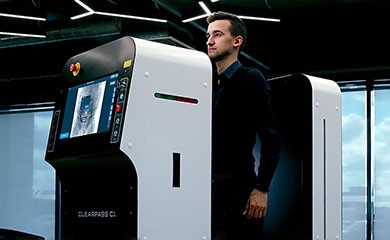
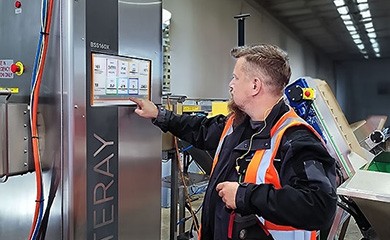
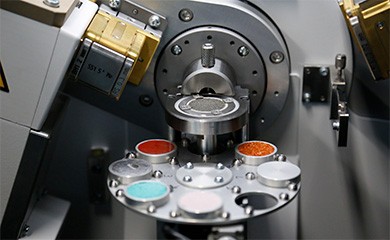
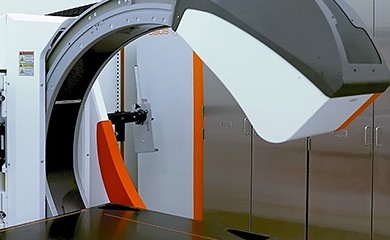
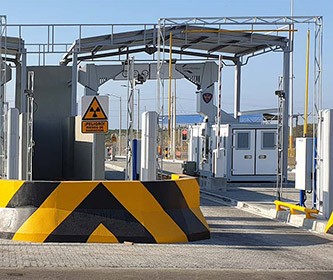




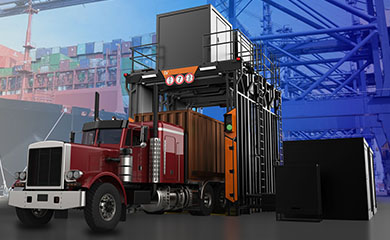
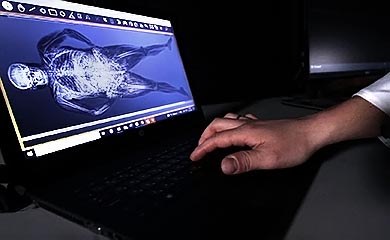



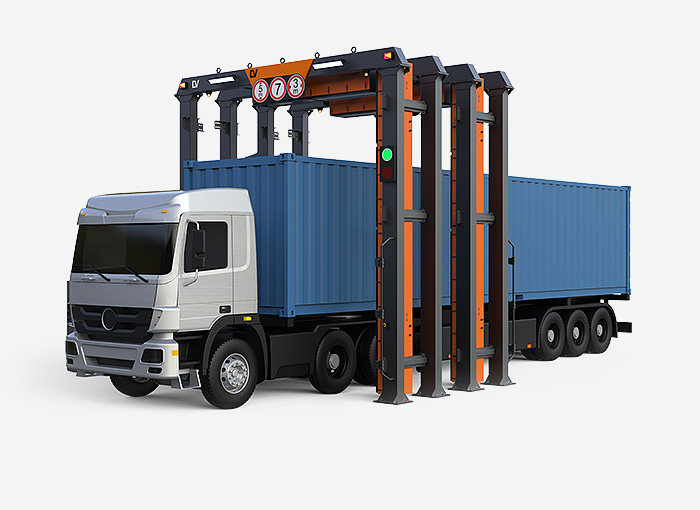


The border agencies are constantly balancing the difficult task of enhancing interdictions while not causing traffic to stop. This challenge is made more difficult by the increasing number of high-volume crossings and mixed vehicle flows. Modern drive-through inspection systems, especially dual-energy and multi-energy systems, can help streamline operations while maintaining robust standards of detection. It is important for agencies to evaluate options by starting with proven technologies. LINEV Systems Drive-Through Portal Series (DTP) and Multi-Energy X-ray Array Portals (MEAP) are the platforms that can help. These solutions reduce friction by combining high-throughput designs, material discrimination and flexible configurations. To maximize the benefits of our X-ray security solutions for cargo, it is important to align infrastructure, lane designs, and staffing policy early in the process.
The Bottleneck Problem
Waiting times at border crossings are seldom the result of one single cause. Multiple factors can contribute to long wait times at borders. These include unpredictability of mixed traffic (cars and vans arriving simultaneously, as well as trucks, buses and loaded trucks), manual stop-start checks, incomplete documents or secondary inspections due to poor image quality. Two capabilities are often key to reducing delays:- Drive-through imaging reduces the number of stops required for vehicles that are occupied.
- Images that are clear and actionable: Dual-energy and Multi-energy Imaging improve the material discrimination, reducing the number of unreliable results that need rework.
Where Throughput Gains Typically Come From
Focus on the operational levers of high-performing border sites to prevent line creep at peak times:- Designing lanes and maintaining lane discipline are important. Separate heavy vehicle and light vehicle flows whenever possible. If mixing is required, dual-view/multi-energy configurations designed for mixed traffic help keep decisions timely.
- Screening policies for occupied vehicles: Systems designed to minimize dose during drive-throughs with occupants reduce the stop-and-wait cycle associated with vehicle unloading.
- Options for rapid deployment: Temporary lanes can be set up during construction or seasonal spikes, stabilizing traffic without the need for major civil works.
- Image review efficiency: Clearer pictures and consistent operator workflows can help reduce review time per vehicle. This is especially true when assisted by software that provides detection prompts.
Matching solutions to border realities
There are no two identical borders. What “good” means is shaped by geography, traffic composition and risk models. There are some recurring patterns that allow the DTP Series or MEAP family to map well with needs.- Mixed traffic corridors – Dual-view and multi-energy configurations allow for the processing of passenger vehicles, loaded trucks, and buses on the same lane, with fewer blind spots.
- High-density cargo : Systems with strong steel penetration and material differentiation keep manual inspection rates in check.
- Compact layouts and small exclusion zones allow solutions to fit into constrained spaces and reduce the need for rework on existing infrastructure.
- Surge management: Easy-to-relocate deployments can quickly be moved or set up to meet seasonal demands, roadworks or incidental pressure.
Practical Ways to Reduce Delays
Sustained time savings usually come from small, consistent efficiencies across the lane, not just one big change. Agencies aiming to realize throughput gains quickly often focus on:- Standardizing operator workflows around dual-view imagery to reduce second looks.
- Using multi-energy imaging to triage ambiguous cargo faster.
- Aligning secondary inspection triggers with improved image clarity to lower false positives.
- Coordinating with logistics stakeholders so documentation is ready before arrival, making image review the critical path rather than paperwork.
- Separate queues for light vs. heavy vehicles whenever geometry allows.
- Keep relocatable capacity in reserve for planned peak seasons.
- Track per-lane decision times and use that data to refine operator rotations and break schedules.
- Leverage assistance software to standardize annotation, escalation, and audit trails.
Why Multi-Energy and Dual-View Matter
The queue length is as much a function of variance as of the average processing time. Uncertain images, blind spots, and ambiguous density signatures all increase variance. Certain vehicles take much longer than the average, and these outliers determine the queue at busy times. Dual-view and multi-energy imaging reduce hidden voids, overlapping structures, and clutter in cargoes. Together, they can reduce the number of vehicles that become outliers. The occupied drive-through screen simplifies logistics for light vehicles and busses. Drivers stay inside, speed is controlled, and vehicle handling can be predicted. Strong penetration and better coverage geometry reduce secondary interventions for heavy cargo. Each minute saved on uncertainty adds up across the queue. Consider the following when choosing between available configurations:- Mix of vehicles: only light vehicles, only heavy cargo, or mixed lanes.
- The desired operating speed for occupied screening.
- Risk profile ties penetration and image requirements to the required quality.
- Site constraints: footprints, power zones, and exclusion areas
- Permanent vs. temporary or seasonal: