

















16 February 2026
What Makes a Vehicle Scanner Machine Manufacturer Reliable for High Volume Production
Why Reliability Matters in High Volume Vehicle Inspection
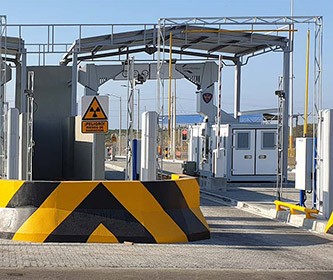
When organizations scale vehicle inspection across ports, borders, logistics hubs, or critical infrastructure sites, the technology must do more than work well in ideal conditions. It must operate consistently under pressure, with long hours, demanding throughput, and strict security requirements. That’s why selecting a vehicle scanner machine manufacturer is not simply a procurement decision. It’s an operational risk decision. High volume production reliability is about repeatability. Can the manufacturer deliver multiple systems on schedule without quality slipping? Can each scanner meet performance expectations with consistent imaging, stable software, and dependable mechanical components? And once installed, can the systems remain operational with predictable maintenance and responsive technical support? For solutions aligned with cargo and vehicle inspection, such as those used for security X-ray screening applications, reliability is measured in uptime, throughput, and total lifecycle performance. A manufacturer that understands this builds not only equipment, but also the infrastructure needed to support deployment at scale.Manufacturing Readiness
A manufacturer can have impressive technology and still struggle with high volume delivery. The difference is manufacturing readiness, which includes process discipline, capacity planning, and the ability to produce consistently across batches. Proven Production Capacity and Repeatable Processes Reliability begins with the ability to produce at scale without “reinventing” each build. A mature manufacturer typically demonstrates:- Standardized assembly procedures
- Calibrated tooling and consistent component specifications
- Production scheduling that accounts for testing, packaging, and shipping
- A controlled environment for sensitive imaging and electronics integration
- Incoming inspection for key components
- In process checkpoints during assembly
- Final system testing that simulates operational load
- Documented test results for traceability
Engineering Quality That Holds Up in Real World Operations
High volume production doesn’t only test the factory. It tests the engineering design itself. If a scanner is difficult to maintain, sensitive to environmental changes, or dependent on rare parts, scaling becomes painful. Durability and Uptime Focused Design In cargo and vehicle inspection, systems may run continuously in outdoor or semi-outdoor environments. Reliable manufacturers design with practical durability in mind, including:- Rugged housings and protective enclosures
- Stable imaging performance across temperature variations
- Components selected for long service life
- Mechanical designs that reduce wear points
- Repeatable calibration procedures
- Diagnostic tools for monitoring performance
- Clear maintenance requirements
- Support for system updates that improve long term stability
- Clean interface design for operators
- Consistent image processing performance
- Controlled software release process (not constant disruptive changes)
- Remote diagnostics capability, where appropriate
Compliance, Safety, and Documentation at Scale
Scaling inspection systems across regions or multiple sites introduces compliance complexity. A reliable manufacturer makes compliance easier by providing clear documentation, safety protocols, and audit support. Documentation That Supports Procurement and Operations For high volume production, documentation is mandatory. It is essential for deployment, training, maintenance, and long term ownership. Strong manufacturers provide:- Technical specifications and system descriptions
- Installation requirements and site planning documents
- Operator manuals and maintenance documentation
- Service schedules and troubleshooting references
- Clear operating procedures
- Safety warnings and signage guidance
- Proper shielding and system safety controls
- Professional installation practices
Installation Training and Lifecycle Support
Even the best hardware can fail operationally if installation and support are weak. For high volume deployments, support capability is often what separates a reliable manufacturer from a risky one. Deployment Support That Scales A reliable manufacturer can support multiple installations across different sites without confusion. That requires:- Installation planning and project coordination
- Defined commissioning process
- Acceptance testing procedures
- Clear handover documentation
- System operation and workflow
- Image interpretation basics (where applicable)
- Handling common alerts or scanning scenarios
- Daily checks and safe operation practices
- Defined maintenance schedules
- Troubleshooting assistance
- Spare parts support
- Remote support options when possible
Supply Chain Strength and Spare Parts Availability
High volume production reliability is impossible without supply chain control. Manufacturers that rely on inconsistent vendors or hard-to-source components will struggle when scaling. Component Standardization and Availability A reliable manufacturer designs systems with components that can be supported long term. That often means:- Avoiding overly niche parts when alternatives exist
- Using standardized assemblies where possible
- Planning for component lifecycle and replacement
- Maintaining supplier relationships for continuity
- Clear spare parts list and recommended stock levels
- Defined turnaround times for parts shipment
- Support for replacement planning and preventive maintenance