















04 May 2026
Reducing Costs and Increasing Efficiency with X‑Ray Security Solutions for Transportation
Key Takeaways
- Implementing advanced X-ray technology reduces manual inspection times, significantly lowering operational labor costs.
- High-throughput systems like the DTP 320DVB allow for the continuous flow of traffic, preventing costly bottlenecks at border crossings and checkpoints.
- Multi-energy imaging improves detection accuracy, reducing the financial risk associated with missed threats or smuggled contraband.
- Mobile and drive-through solutions offer flexibility, allowing security forces to reallocate resources dynamically based on real-time traffic demands.
Maximizing Throughput With Drive-Through Technology
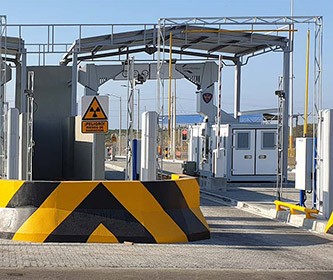
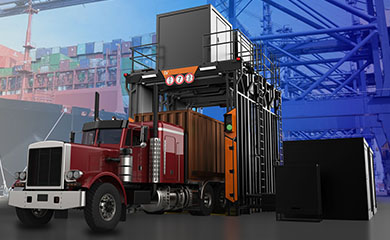
Downtime is one of the main drivers of increased costs in transportation. When trucks or buses have to stop running for manual inspection, it can have serious repercussions across their supply chains. Drive-through systems like (DTP 320DVB) revolutionize this process by allowing drivers to remain seated while their vehicle is scanned – this ensures even dense loads can be checked without disrupting traffic flow. Implementing drive-through security solutions for transportation transforms a checkpoint into a high-speed artery. As these systems can process many vehicles per hour, cost per inspection drops significantly and dual energy technology enables these systems to automatically distinguish organic from inorganic materials for improved decision-making, thus keeping lines moving while decreasing fuel wastage due to idle engines.Enhancing Detection Accuracy With Multi-Energy Arrays
Accuracy in detection is directly proportional to cost savings. Each false positive requires time-consuming physical searches, and every missed threat could lead to financial and legal liabilities that could prove devastating. MEAP technology offered by LINEV Systems offers a sophisticated solution by penetrating materials at various energy levels to create color-coded maps of vehicle contents, highlighting anomalies that would otherwise remain undetected with the naked eye or lesser X-ray machines. Beyond weapons or explosives detection, these X-ray security solutions for transportation are essential to revenue protection. Custom agencies utilize this technology to detect undeclared goods or contraband hidden within complex machinery or false compartments; when combined with accurate material identification capabilities, smugglers become much less successful at concealing high-value goods from custom agencies. This ensures duties are collected correctly while legal trade remains uninterrupted by illicit activities, thereby improving economic stability in a region.Mobile Inspection Points and Operational Flexibility
Fixed infrastructure may not always provide the optimal response to security needs that vary, and often temporary checkpoints or border crossings require temporary deployment of security measures for cost-effective management. Mobile Inspection Points (MIPs) offer high-level scanning capabilities comparable to fixed installations while being portable; this enables security agencies to respond swiftly and cost effectively to intelligence-led threats or seasonal traffic surges without investing in permanent building projects everywhere possible. MIP or bus scanning variants with flexibility allow assets to never go unutilized. When one transit corridor sees less passengers than expected, for example, equipment can quickly relocated to high-demand areas within hours reducing dead capital. By maintaining a lean and responsive security posture that optimizes hardware investments while acting as a deterrent against smuggling or terrorism.Streamlining Passenger and Personnel Screening
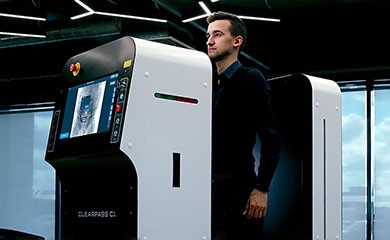
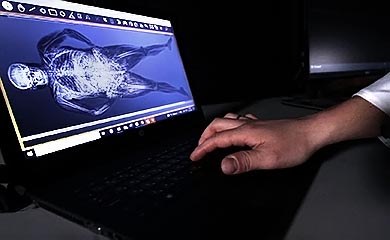
While cargo is a major focus, the efficiency of passenger transit is equally critical to the economic health of transportation hubs. The CONPASS series of transmission X-ray systems offers a way to screen individuals for internal and external threats without the need for intrusive physical searches. This is particularly relevant for bus terminals and high-security transit zones where large volumes of people must be cleared quickly. Using a low-dose X-ray approach, these systems provide a full-body image that reveals prohibited items hidden under clothing or within body cavities. The speed of the scan, often taking less than ten seconds, means that passenger lines move faster, reducing the need for large waiting areas and the staff required to manage them. In the context of a holistic security strategy, integrating passenger screening with vehicle and cargo scanning creates a seamless environment where security is ubiquitous but non-disruptive.The Role of Automated Threat Recognition
Artificial intelligence and automated software play a growing role in reducing the cost of security. Modern X-ray systems are equipped with algorithms that can flag areas of interest for the operator. This doesn’t just speed up the process; it allows for a more efficient allocation of human labor. Instead of every image requiring five minutes of intense study, an operator can focus their attention on the 5% of scans that the software identifies as suspicious. This management by exception model is the future of the industry. By leveraging automated threat recognition within x-ray security solutions for transportation, organizations can handle higher volumes of traffic with the same number of personnel. This scalability is essential for ports and border crossings that expect to see continued growth in the coming decade. It transforms security from a labor-intensive bottleneck into a data-driven, streamlined component of the global supply chain.| System Type | Primary Application | Key Efficiency Benefit |
| DTP 320DVB | Drive-through vehicle/cargo | Eliminates the need for unloading, maximizing throughput. |
| MEAP Systems | Multi-energy cargo scanning | Automated material discrimination reduces false alarms. |
| MIP (Mobile) | Remote or temporary checkpoints | Rapid deployment to high-traffic areas as needed. |
| CONPASS | Passenger/Personnel screening | Non-intrusive, high-speed detection of hidden items. |
| Dual-View Systems | Dense cargo inspection | Provides two angles of view to eliminate blind spots quickly. |