












05 January 2026
Security Screening X-Ray Solutions for Public Access & Artifact Protection
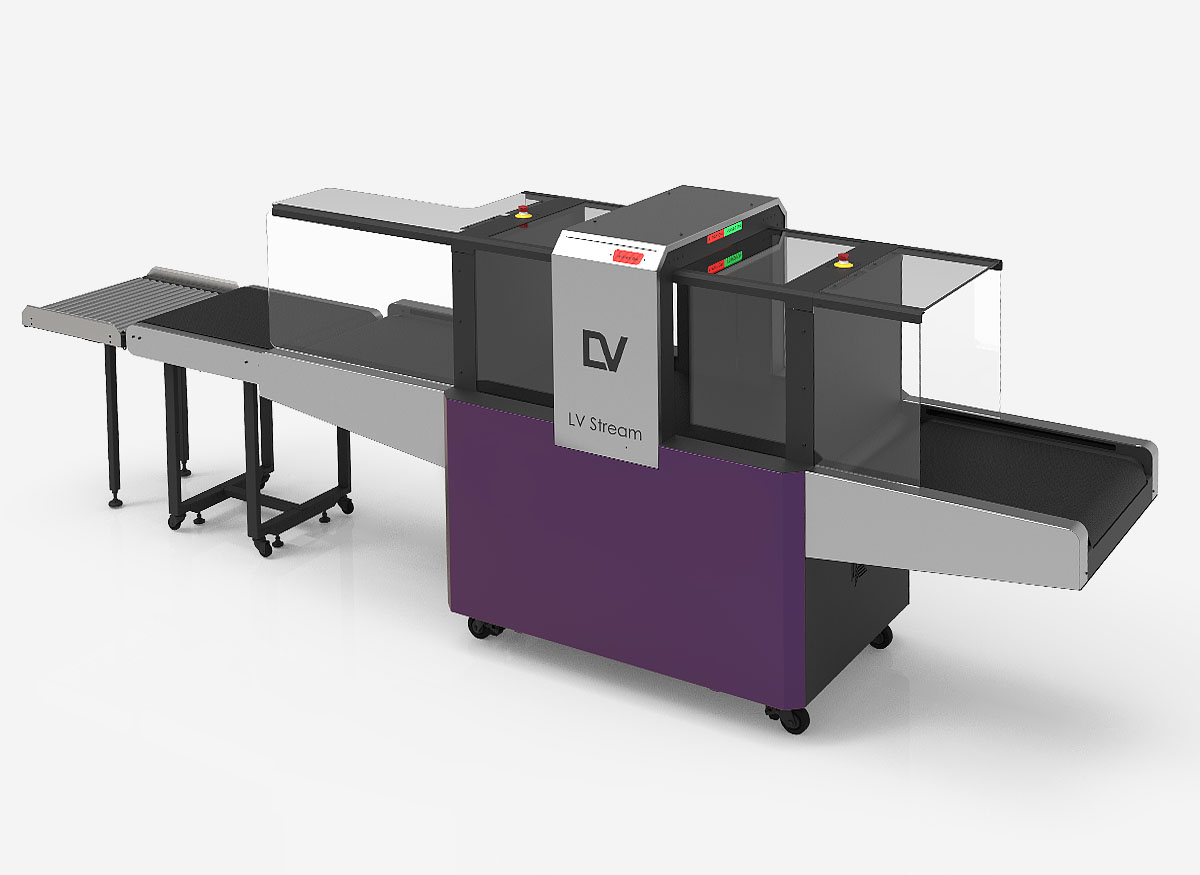
Museums, archives and historic government buildings walk a tightrope every day: they must welcome as many visitors as they can while protecting irreplaceable collections, staff and property. Modern entry programs can achieve this balance by combining policy, people and technology to create a seamless, unobtrusive user experience. Our compact, low-dose security screening X-ray solution is at the core of this experience. We help institutions maintain what makes their spaces unique without turning them into barriers.
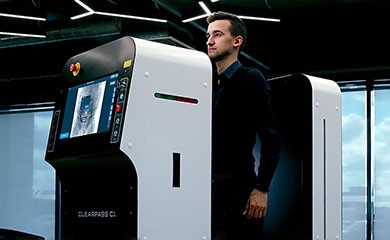
The first step in public access is to ensure that it’s comfortable, clear, and paced. Entry should feel like a concierge desk, with clear signage on what is allowed and a path that’s easy for guests to navigate, whether they have small bags or none at all. There should also be an accessible route for wheelchairs or strollers, without forcing them into detours. The screening process will fade into the background when the screening lane has a compact design, is quiet and integrated visually with the lobby. The right combination of bag and people inspections, supported by discrete consoles and remote display, is what cultural institutions need.
Modern security X-ray systems are a great help in this regard. They are fast, non-invasive and consistent. The system does not require lengthy manual searches but highlights the areas of interest to allow for a swift, respectful follow up. Image quality and automated help remain constant, instead of varying during a long workday.
In institutions that have fragile interiors, there are also practical constraints, such as floor loading, electrical capacities, and heritage finishes, which require a compact footprint and intelligent placement. Modern systems are designed to address these constraints by using smaller form factors and quieter conveyors. They also offer cabling options which avoid visible conduit runs. Magnetometers are integrated into the systems where necessary and linked to existing visitor management and camera views. This allows alarms and video clips to be tied together faster. The result is an approach to screening that feels measured, rather than militarized.
Choosing the right configuration for a given building starts with a few hard numbers and some honest observation. What is the hour‑by‑hour arrival pattern? What is the typical bag size and density? Where do staff and vendors enter relative to the public queue? Answering these clarifies the system size, image resolution needs, and the ergonomics of the screening position. Three practical questions guide most decisions: What application are we screening (people, bags, parcels)? What throughput do we truly need (not just peak‑of‑peak)? And which features matter most to our risk profile (dual‑view imaging, enhanced material separation, automated alerting, remote diagnostics)?
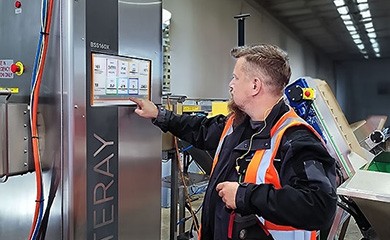
From there, operations and cost considerations finish the picture. User interface simplicity reduces training time. Stable software and remote monitoring shrink downtime. Service commitments, spare parts availability, and repair response times protect the calendar. All told, these factors influence the lifespan cost more than the initial quote. When leadership evaluates a system that fits the use case and budget over five to seven years rather than one event season, the choice becomes clearer.
Security and privacy are always top of mind, especially when it comes to buildings that host school groups, seniors and families. Confidence is built by using clear language to describe what is being screened, the images, and how data is stored (if any). Staff should know how to answer in simple language. The systems are designed to detect specific shapes and density associated with prohibited items. They do not record personal information and operate at low doses compared with daily exposure. Visitors who are able to explain the “why” of the system and “how” with a consistent, calm voice will be more cooperative.
The secret to preserving access for the public and protecting artifacts is a combination of a respectful policy, well trained people and the quiet reliability that modern imaging provides. While maintaining the integrity of the interior and the importance of the collections, cultural and civic institutions are able to keep their doors wide open on busy weekends and during major exhibitions. They can protect what is most important and create space for all to explore by combining staff training and thoughtful wayfinding with security screening X-ray solutions.
What keeps doors open: Designing for Access
In order to preserve visitor experience, it is not necessary compromise safety. Well-planned layers can be used to achieve this in a historical setting where every inch is important and finishes are crucial. Entrance programs must protect aesthetics, while maintaining comfort and keeping pace with opening bell lines.- Choose compact systems that have low-dose lighting, and finish materials that match the interior. Keep the monitors hidden.
- To maintain a natural and dignified flow, separate paths are provided for visitors with mobility issues, families with strollers, and guests without bags.
- Use an X-ray that is calibrated to the size of the bags at the event (small daypacks, luggage).
- Use surface-mounted cable track, non-penetrating mounts and install after hours to protect flooring and stone.
- Train your front staff to communicate expectations in an approachable, consistent way and to escalate calmly when the system flags certain items.
Layered Protection with Precision Imaging
The mission is to welcome the public; the responsibility is to manage the collections and security. A layered approach protects both. Bag scanning at the entrance identifies hidden blades, firearm parts, improvised articles, and restricted chemicals that could put people or artifacts in danger. Secondary controls are implemented in areas where they can have the greatest impact, such as staff entrances and service corridors. Dual-view imaging and advanced materials separation are often used in these zones, which gives teams a better view of parcels, crates or back-of house totes that must be quickly removed without damaging their contents.Modern security X-ray systems are a great help in this regard. They are fast, non-invasive and consistent. The system does not require lengthy manual searches but highlights the areas of interest to allow for a swift, respectful follow up. Image quality and automated help remain constant, instead of varying during a long workday.
In institutions that have fragile interiors, there are also practical constraints, such as floor loading, electrical capacities, and heritage finishes, which require a compact footprint and intelligent placement. Modern systems are designed to address these constraints by using smaller form factors and quieter conveyors. They also offer cabling options which avoid visible conduit runs. Magnetometers are integrated into the systems where necessary and linked to existing visitor management and camera views. This allows alarms and video clips to be tied together faster. The result is an approach to screening that feels measured, rather than militarized.
Choosing the right configuration for a given building starts with a few hard numbers and some honest observation. What is the hour‑by‑hour arrival pattern? What is the typical bag size and density? Where do staff and vendors enter relative to the public queue? Answering these clarifies the system size, image resolution needs, and the ergonomics of the screening position. Three practical questions guide most decisions: What application are we screening (people, bags, parcels)? What throughput do we truly need (not just peak‑of‑peak)? And which features matter most to our risk profile (dual‑view imaging, enhanced material separation, automated alerting, remote diagnostics)?
From there, operations and cost considerations finish the picture. User interface simplicity reduces training time. Stable software and remote monitoring shrink downtime. Service commitments, spare parts availability, and repair response times protect the calendar. All told, these factors influence the lifespan cost more than the initial quote. When leadership evaluates a system that fits the use case and budget over five to seven years rather than one event season, the choice becomes clearer.
From plan to practice: the LINEV Systems approach
- The screening process is designed to be dignified and fast
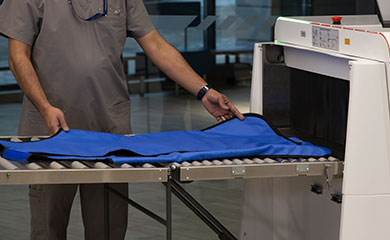
- Baggage and parcel inspection sized to reality
- Operator assistance that keeps everything in sync
- Placements that work well in civic and cultural settings include
- Entry: A bag lane the size of an average daypack. There is also a bag-free route.
- Staff or VIP entrance : Screening with a small-item scanner to reduce the number of pat-downs and keep shifts running on time.
- Mailroom and loading screens to protect exhibits, archives, and display areas upstream of storage and display areas.
Security and privacy are always top of mind, especially when it comes to buildings that host school groups, seniors and families. Confidence is built by using clear language to describe what is being screened, the images, and how data is stored (if any). Staff should know how to answer in simple language. The systems are designed to detect specific shapes and density associated with prohibited items. They do not record personal information and operate at low doses compared with daily exposure. Visitors who are able to explain the “why” of the system and “how” with a consistent, calm voice will be more cooperative.
The secret to preserving access for the public and protecting artifacts is a combination of a respectful policy, well trained people and the quiet reliability that modern imaging provides. While maintaining the integrity of the interior and the importance of the collections, cultural and civic institutions are able to keep their doors wide open on busy weekends and during major exhibitions. They can protect what is most important and create space for all to explore by combining staff training and thoughtful wayfinding with security screening X-ray solutions.