



















19 March 2026
Why the Next Generation of Smuggling Requires Smarter X-ray Security Solutions for Correctional Facilities
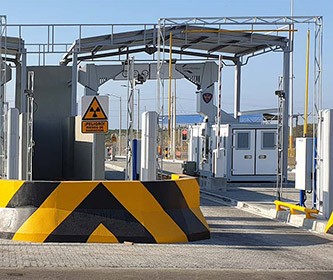
The landscape of modern incarceration is shifting as illicit supply chains become increasingly sophisticated, making the implementation of advanced X-ray security solutions for correctional facilities a fundamental necessity rather than a technological luxury. Today’s threats are miniaturized, synthetic, and often hidden within the very anatomy of the human body or the mundane components of daily mail. To maintain institutional order and ensure the safety of both staff and the incarcerated population, security infrastructure must evolve beyond simple metal detection toward intelligent, high-resolution imaging that can identify the invisible.
Beyond Traditional Surveillance
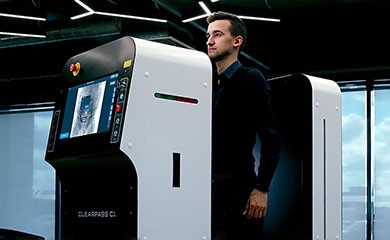
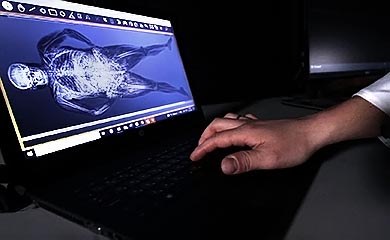
The evolution of smuggling techniques has forced a transition from traditional surveillance to data-driven detection. Modern contraband often includes microelectronics, such as thumbnail-sized SIM cards and ultra-thin smartphones, that enable unauthorized communication with the outside world. Furthermore, the rise of potent synthetic opioids like fentanyl means that even a microscopic amount of powder hidden under a postage stamp or soaked into the paper of a legal document can lead to a fatal overdose event within a cell block. High-energy X-ray systems are now required to penetrate dense materials while maintaining the sensitivity to highlight low-density organic compounds that would otherwise go unnoticed.In this high-stakes environment, the versatility of screening hardware determines the effectiveness of the facility’s perimeter. Security teams are no longer just looking for metal; they are looking for anomalies in density and material composition. This requires a tiered approach to hardware deployment:- Full-body scanners utilize low-dose transmission technology to detect internal ingestions and items hidden in body cavities.
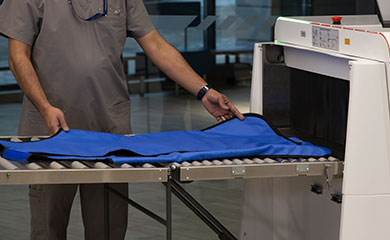
- Small-parcel and baggage scanners equipped with dual-energy imaging to differentiate between organic substances and inorganic materials.
- Automated AI-assisted software that flags potential threats in real-time, reducing the “human factor” of operator fatigue.