












02 December 2025
Metal Detectors to AI X-ray Security Systems: How Screening Technology Is Being Rewritten
Security screening at airports, stadiums, borders, and critical facilities has always followed a similar procedure: long queues, intrusive searches, and manual interpretation of grainy images by security operators, based on experience or attention span, were the norm. At LINEV Systems®, we see organizations worldwide transition away from legacy tools towards AI X-ray security systems designed for modern risk environments.
It represents a change in how security threats are identified, how people and goods move through checkpoints, and the role of security teams regarding safety and user experience.
Operators were expected to make decisions from 2D monochrome images quickly under intense pressure, with limited context and conditions, often without adequate guidance or assistance. This model presented numerous challenges. For starters, its interpretation could vary widely among operators who interpreted similar pictures differently. Second, fatigue and distraction risks increased exponentially with high-throughput environments. Thirdly, it’s reactive since systems only respond based on what their configuration detects today, rather than anticipated issues that might emerge.
As threats evolved, organizations found it increasingly difficult to rely on traditional screening. This led them to seek alternative solutions that go beyond what traditional screening could provide.
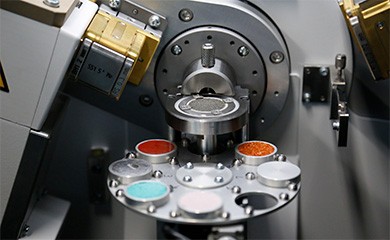
Multi-energy X-ray allows us to distinguish materials based on how they react with various energy levels, not simply their density. This enables more precise classification of metals, organics and mixed materials and highlights anomalies which would be difficult to spot using traditional single-energy systems alone. When coupled with AI models trained on vast libraries of threat images, multi-energy imaging goes from taking pictures to intelligent analysis.
Our X-ray security systems do more than display images; they interpret them. Our systems can automatically identify objects resembling firearms, knives, explosives or any other contraband and draw the operator’s attention toward what matters. By filtering out harmless items to reduce unnecessary alarms while adapting to new threat signatures.
By embedding threat-detection algorithms directly into X-ray security systems, we reduce cognitive load and response time for operators. They no longer have to scrutinize every bag, parcel or person individually. Instead, the system flags suspicious regions, classifies likely threat types and provides clear visual cues. This improves consistency across teams while also helping new staff become efficient quickly.
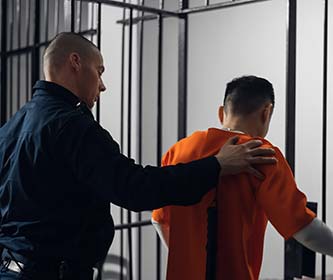
As a result, AI assistance enables significant increases in both security and efficiency. Helping teams to process more people and items per hour without missed threats or false alarms. This is particularly crucial in environments such as prisons, border crossings, mines, and large public venues, where both throughput and risk levels are elevated.
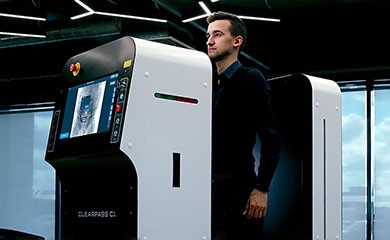
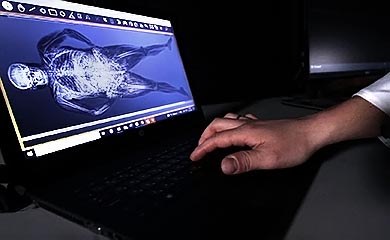
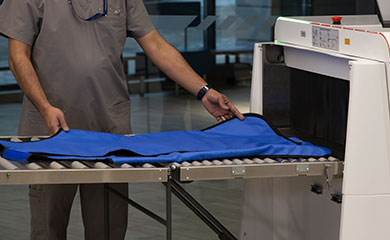
Newer systems are designed for speed and flow. Advanced gateways, baggage scanners, and body scanners can complete a full-body low-dose X-ray screening in a fraction of a second. Baggage and parcel systems can move items continuously through the tunnel, with AI analyzing each image in real time. The visual design of these systems can also be more open and less intimidating, supporting the feeling of a seamless passage rather than a barrier.
For venues like stadiums, concert halls, and transportation hubs, this matters as much as raw security capability. Visitors expect to feel safe, but they also expect to move quickly and comfortably. By deploying modern X-ray security systems, operators can deliver strong, reliable protection and an efficient, user-friendly entry experience.
At LINEV Systems®, we design platforms that can integrate with video management systems, access control, incident management tools, and analytics platforms. Screening data can be securely captured, audited, and used to support investigations, compliance, and training. Patterns can be analyzed across time and locations to identify emerging threats or recurring threats.
This data-driven approach also enables continuous improvement. AI models can be updated as new types of threats appear. Software features can be added or refined without replacing the underlying hardware. Organizations no longer have to view their security infrastructure as a static asset; instead, it becomes a dynamic system that evolves with the risk environment.
We also work closely with customers to ensure that operational policies, staff training, and communication with the public are aligned with best practices. That includes clear explanations of how the technology works, how data is handled, and how images are used and stored. Security must protect people without compromising their dignity, health, or trust.
At LINEV Systems®, we believe the future of security is defined by five pillars: Life, Innovation, Necessity, Evolution, and Vision. We design technologies to protect lives, not just assets. We innovate not for its own sake, but because new realities demand new solutions. We evolve from standalone devices to integrated ecosystems. And we maintain a clear vision of what security must become in the years ahead: smarter, faster, safer, and more humane.
The journey from metal detectors to AI-enhanced X-ray is well underway. The question is no longer whether the transition will happen, but how quickly organizations are prepared to make it happen and how ready they are to leverage the upside of modern X-ray security systems.
It represents a change in how security threats are identified, how people and goods move through checkpoints, and the role of security teams regarding safety and user experience.
The Limits of Traditional Screening Technology
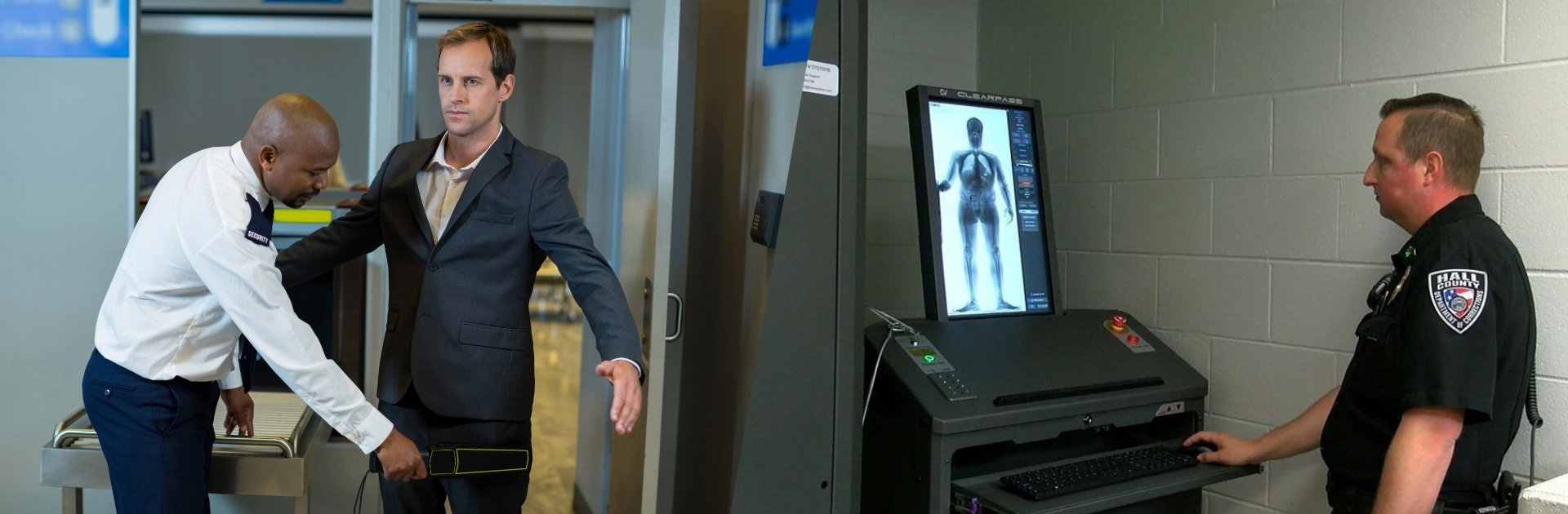
Traditional metal detectors and early-generation X-ray scanners were designed for environments where threats were relatively straightforward, volumes were lower, and convenience expectations were modest. While these systems could detect obvious metallic objects with relative ease, more complex threats such as non-metallic weapons, homemade explosives, concealed contraband items or sophisticated smuggling methods proved more difficult for these older systems to detect effectively.Operators were expected to make decisions from 2D monochrome images quickly under intense pressure, with limited context and conditions, often without adequate guidance or assistance. This model presented numerous challenges. For starters, its interpretation could vary widely among operators who interpreted similar pictures differently. Second, fatigue and distraction risks increased exponentially with high-throughput environments. Thirdly, it’s reactive since systems only respond based on what their configuration detects today, rather than anticipated issues that might emerge.
As threats evolved, organizations found it increasingly difficult to rely on traditional screening. This led them to seek alternative solutions that go beyond what traditional screening could provide.
The Rise of Intelligent X-Ray Security Systems
X-ray technology has advanced significantly over time. At LINEV Systems®, we were early pioneers of full-body X-ray screening, helping bring people scanners out from science fiction into everyday security operations. Next came the integration of AI and multi-energy imaging in our X-ray security systems.Multi-energy X-ray allows us to distinguish materials based on how they react with various energy levels, not simply their density. This enables more precise classification of metals, organics and mixed materials and highlights anomalies which would be difficult to spot using traditional single-energy systems alone. When coupled with AI models trained on vast libraries of threat images, multi-energy imaging goes from taking pictures to intelligent analysis.
Our X-ray security systems do more than display images; they interpret them. Our systems can automatically identify objects resembling firearms, knives, explosives or any other contraband and draw the operator’s attention toward what matters. By filtering out harmless items to reduce unnecessary alarms while adapting to new threat signatures.
AI as a Force Multiplier for Security Teams
At LINEV Systems®, AI is not used as a replacement for human expertise; rather, it serves as a force multiplier. Security personnel remain at the center of every decision process, but AI assists in prioritizing where their attention should go.By embedding threat-detection algorithms directly into X-ray security systems, we reduce cognitive load and response time for operators. They no longer have to scrutinize every bag, parcel or person individually. Instead, the system flags suspicious regions, classifies likely threat types and provides clear visual cues. This improves consistency across teams while also helping new staff become efficient quickly.
As a result, AI assistance enables significant increases in both security and efficiency. Helping teams to process more people and items per hour without missed threats or false alarms. This is particularly crucial in environments such as prisons, border crossings, mines, and large public venues, where both throughput and risk levels are elevated.
Rethinking the Checkpoint Experience
Next-generation X-ray security systems do more than enhance detection; they also transform the experience for those being screened. Traditional checkpoints feel confrontational and slow. People queue in dense lines, remove personal items, and wait as each bag is manually checked or the metal detector alarms.Newer systems are designed for speed and flow. Advanced gateways, baggage scanners, and body scanners can complete a full-body low-dose X-ray screening in a fraction of a second. Baggage and parcel systems can move items continuously through the tunnel, with AI analyzing each image in real time. The visual design of these systems can also be more open and less intimidating, supporting the feeling of a seamless passage rather than a barrier.
For venues like stadiums, concert halls, and transportation hubs, this matters as much as raw security capability. Visitors expect to feel safe, but they also expect to move quickly and comfortably. By deploying modern X-ray security systems, operators can deliver strong, reliable protection and an efficient, user-friendly entry experience.
Data, Integration, and the Future of Security
Another fundamental change in the last decade is how security technologies communicate and integrate. Legacy screening systems were often isolated devices, generating images that were reviewed in real time and then discarded. Our X-ray security systems operate within a broader security ecosystem.At LINEV Systems®, we design platforms that can integrate with video management systems, access control, incident management tools, and analytics platforms. Screening data can be securely captured, audited, and used to support investigations, compliance, and training. Patterns can be analyzed across time and locations to identify emerging threats or recurring threats.
This data-driven approach also enables continuous improvement. AI models can be updated as new types of threats appear. Software features can be added or refined without replacing the underlying hardware. Organizations no longer have to view their security infrastructure as a static asset; instead, it becomes a dynamic system that evolves with the risk environment.
Low Dose, High Responsibility
Any deployment of X-ray security systems must also address concerns around safety and privacy. At LINEV Systems®, we are committed to ultra-low-dose imaging and compliance with international radiation safety standards. Our systems are engineered to provide the lowest possible dose while still delivering the necessary image quality for reliable threat detection.We also work closely with customers to ensure that operational policies, staff training, and communication with the public are aligned with best practices. That includes clear explanations of how the technology works, how data is handled, and how images are used and stored. Security must protect people without compromising their dignity, health, or trust.
Why the Next Decade Will Be Defined by Intelligent Screening
As threats continue to evolve and public expectations for safety and convenience grow, the gap between traditional screening tools and modern requirements will only widen.At LINEV Systems®, we believe the future of security is defined by five pillars: Life, Innovation, Necessity, Evolution, and Vision. We design technologies to protect lives, not just assets. We innovate not for its own sake, but because new realities demand new solutions. We evolve from standalone devices to integrated ecosystems. And we maintain a clear vision of what security must become in the years ahead: smarter, faster, safer, and more humane.
The journey from metal detectors to AI-enhanced X-ray is well underway. The question is no longer whether the transition will happen, but how quickly organizations are prepared to make it happen and how ready they are to leverage the upside of modern X-ray security systems.