










02 February 2026
AI Baggage Screening Systems Transform the Front Entrance Experience Keeping Schools Welcoming and Secure
The first few minutes of the day are the most important. Families are expecting a warm welcome, a quick entry, and increasingly visible, respectful security. Many districts will need to rethink the front entrance, from an “open lobby” into a “managed checkpoint”, without making students feel as if they’re walking into a prison or airport.
Our AI baggage screening systems can make a real difference. By shifting from manual, ad-hoc searches to a consistent, automated screening system, schools can improve safety and keep the arrival experience for students, staff, and visitors friendly, efficient, and low-stress.
LINEV Systems has always placed a high priority on school safety. We offer X-ray luggage and parcel scanners that are designed to improve security protocols at schools and universities. This helps campuses create safer learning environments without sacrificing a friendly atmosphere.
Creating a Secure and Inviting School Entrance
When parents drop their children off at school, they do so with the fundamental expectation of safety. For administrators, fulfilling this promise requires managing a complex and fluid environment where students, contractors, and visitors arrive throughout the day with everything from sports gear to delivery parcels. The main entrance serves as the primary line of defense, yet traditional security methods often fall short. Relying solely on manual bag checks and visual inspections creates several vulnerabilities:- Human Error: Prohibited items are easily overlooked when staff members are tired, distracted, or rushed during peak arrival times.
- Operational Delays: Manual searches are time-consuming, leading to long queues that disrupt the start of the school day.
- Subjective Friction: Random searches can feel targeted or confrontational, potentially damaging the relationship between students and security staff.
How AI X-Ray Screening Fits Into the School Day
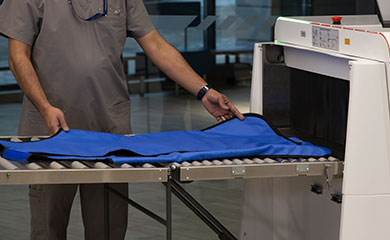
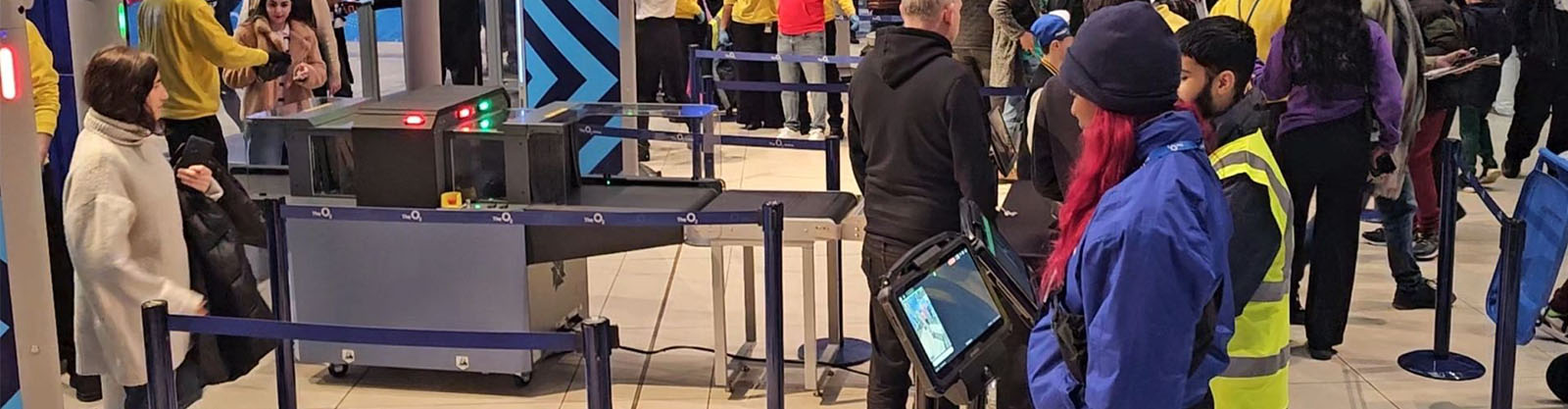
From the first bell, a well-designed entry checkpoint should be intuitive. The workflow is simple with small and mid-sized systems: students and visitors can place their backpacks or parcels on a conveyor, then walk forward and show ID, check in and collect their belongings. These scanners can be paired with AI baggage screening systems to make the screening process faster and more accurate. The X-ray produces high-quality pictures, and AI software highlights suspect firearms, knives, ammunition, and other threats for the operator. This allows them to focus on what is important instead of scanning each bag pixel by pixel. A typical morning flow in a school might look something like this:- The students arrive at the screening lanes, and they naturally flow towards them.
- Then they step up to the entry point and place their backpacks, sports bags or instrument cases on the belt.
- Staff members monitor the AI alerts and live images, and only remove bags that need a closer inspection.
Streamlining Security Through Intelligent Technology
One of the most significant obstacles to adopting enhanced security measures is the fear of creating bottlenecks at entry points. When screening processes slow down the flow of students, staff face mounting pressure to expedite checks or skip them altogether—defeating the entire purpose of the security investment. AI baggage screening systems address this challenge head-on. By automating threat detection, these systems dramatically reduce the time operators spend analyzing each scan while simultaneously minimizing false positives. Advanced algorithms can identify suspicious materials, recognize weapon profiles, and flag potential contraband—all in real time. When paired with high-speed conveyors and durable hardware, AI baggage screening systems enable schools to screen significantly more bags per minute without sacrificing accuracy. The practical benefits include:- Faster Processing: Shorter, more predictable queues during peak times like morning arrival and lunch transitions.
- Equitable Screening: Elimination of subjective judgment calls, ensuring every student is treated consistently and fairly.
- Reduced Staff Burden: AI handles the repetitive aspects of image analysis, preventing operator fatigue and maintaining vigilance throughout the day.
Designing the Right Screening Setup for Your Campus
No two schools are exactly alike. A single-building elementary school with one public entrance has different needs than a multi-building secondary campus with separate entrances for students, staff and visitors. Designing the right configuration starts with understanding your flow, your space and your community. Tunnel size and layout are an important first step. Smaller systems work well where most items are backpacks, handbags and parcels. Larger tunnels can comfortably handle band equipment, sports gear and bulkier items without creating awkward delays as students rearrange bags. Space constraints at the front entrance are another common concern. Many schools need to fit security into an existing lobby or vestibule, rather than building a dedicated screening hall. In these cases, details like:- Placing the scanner against a wall to preserve open sightlines.
- Using a remote operator station a few metres away to reduce crowding.
- Selecting casing colours and finishes that match the school’s visual identity.
- Can do a lot to keep the area feeling like a school entrance rather than a checkpoint.